
Car Interior & Leather Seat Maintenance
Car leather seat maintenance that actually works: how to clean, condition, and stop cracking before it starts, plus what cloth seats need instead.
What car leather seat maintenance actually covers
Car leather seat maintenance comes down to two habits done on a schedule: cleaning that lifts dirt without stripping oil, and conditioning that puts moisture back before the surface dries out. Skip either one and leather does what skin does when it's neglected: it dries, stiffens, and eventually cracks in the exact spots that take the most flex, the outer bolster and the seat bottom where you slide in and out.
Vinyl and plastic trim can get away with an occasional wipe-down. Leather can't, because it's a natural material losing oils to heat and UV every time the car sits in the sun, which in most climates is most days. The good news is the routine itself is short. It just has to actually happen on a schedule instead of whenever the seats start looking bad.
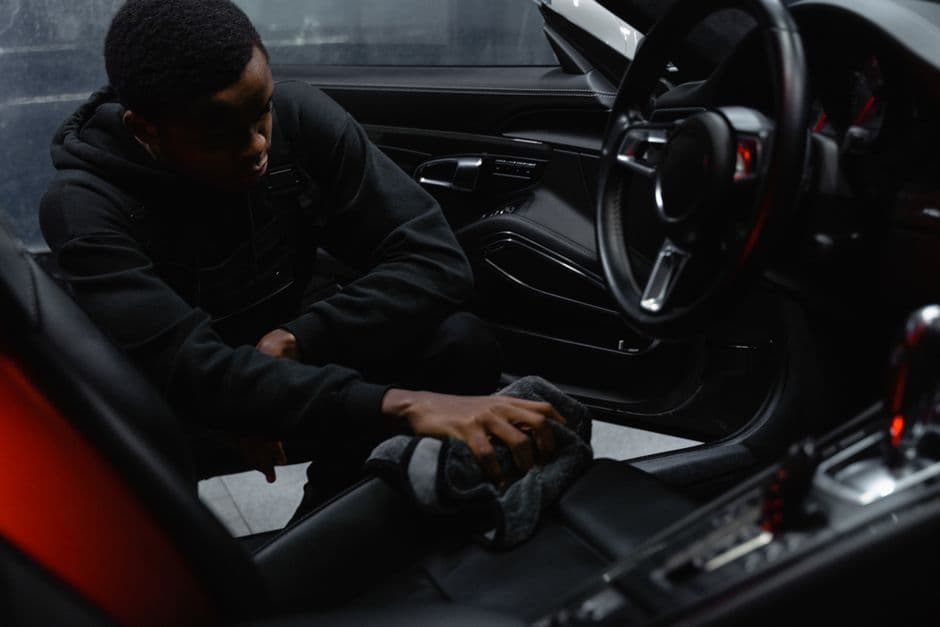
Cleaning leather without stripping its natural oils
Vacuum first, so grit doesn't get ground into the surface while you wipe. Then use a pH-neutral leather cleaner and a soft brush or microfiber cloth, working in small sections and buffing dry right after. That last step matters more than people expect: leather left damp for too long is how mildew and watermarks show up on light colors.
Skip anything with ammonia, bleach, or silicone. Household glass cleaner, baby wipes, and dish soap all strip the finish over repeated use, and silicone-based interior sprays leave a slick residue that looks shiny for a week and then attracts dust like a magnet. If a product doesn't say “leather” on the label, it's not made for the job.
Conditioning: how often and what actually works
Condition every two to three months, or monthly if the car sits outside in a hot, sunny climate. A conditioner formulated for automotive leather, look for lanolin or beeswax as the base rather than silicone, replaces oils the sun and heat pull out and leaves a layer of UV resistance behind. The Canadian Conservation Institute's leather care guidelines put it plainly: leather that loses its natural fats becomes brittle, and once it cracks, there's no conditioner that reverses it.
Sun exposure is the part most owners underrate. State Farm's guidance on sun and heat damage notes that a windshield sunshade and parking in shade when you can cut UV exposure more than any product applied after the fact. Conditioner buys time. Shade prevents the damage that makes conditioner necessary in the first place.
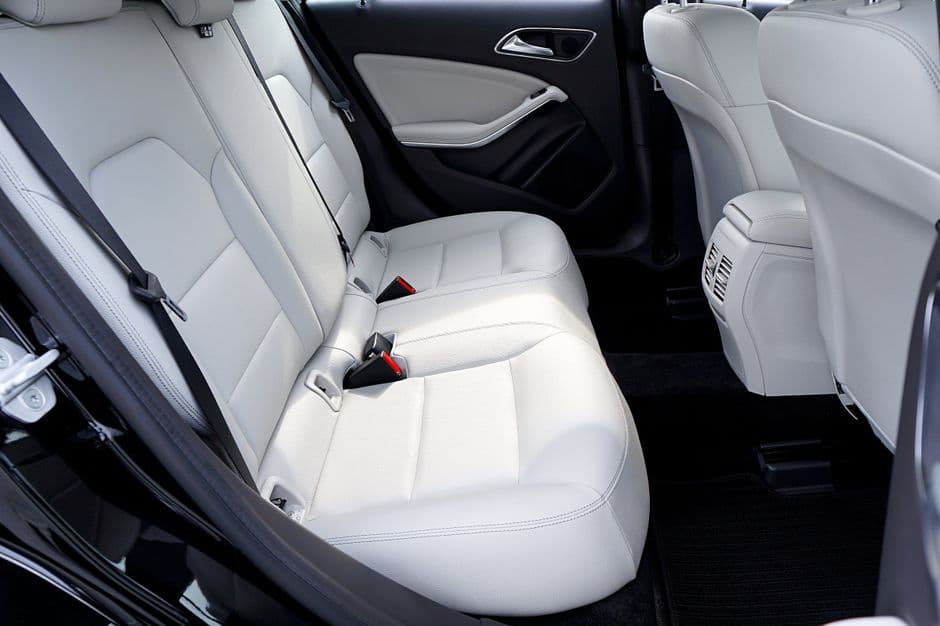
Cloth and vinyl seats need a different routine
Cloth doesn't crack, but it stains and holds odor, so the priority flips: treat spills the same day with a fabric-specific cleaner, and vacuum the seams where crumbs and grit collect and slowly wear the weave thin. A fabric protectant spray applied once or twice a year does more for cloth longevity than any amount of after-the-fact scrubbing.
Vinyl sits in between: it won't dry out the way leather does, but UV still fades and eventually stiffens it, so the same mild soap and conditioner routine applies, just less often. If you're weighing adding leather or upgraded seats rather than maintaining what's already in the car, that's a different project covered in our beginner car upgrades guide.
Catching cracks and stains before they set in
Check the bolsters and seat bottoms once a month for the first sign of dullness or a fine crackle pattern under bright light. That early stage still responds to conditioning. Once a crack has an actual edge you can catch a fingernail on, you're into repair territory, not maintenance.
Treat stains the day they happen rather than letting them set, the same rule as cloth. And keep the routine going alongside the rest of the car: our guide to washing a car without wrecking the paint covers the outside; leather care is the inside half of the same habit.
Log the routine so a $40 bottle of conditioner keeps working
Interior care is the maintenance category people forget they did. Six months from now you won't remember whether you conditioned the seats in April or June, and guessing wrong means either wasted product or seats that went too long dry.
Logging cleaning and conditioning dates as entries in Wheelscribe next to oil changes and brake jobs turns a vague memory into an actual schedule, so the seats stay ahead of the damage instead of catching up to it. It's free for a single car to track this way, no spreadsheet required.
Frequently asked questions
How often should I condition leather car seats?
Every two to three months for most climates, monthly if the car sits outside in strong sun or heat. A dry, fine crackle pattern under bright light is the sign you've waited too long.
Can I use regular leather conditioner on car seats?
Furniture and shoe leather conditioners can work, but automotive-specific formulas are built for the heat and UV a car interior sees, which household leather rarely does. When in doubt, choose the one labeled for automotive use.
Is Armor All bad for leather car seats?
Silicone-based products like classic Armor All leave a slick surface residue rather than replacing lost oils, and that residue attracts dust fast. Look for a lanolin or beeswax-based leather conditioner instead.
How do I get stains out of leather car seats?
Blot, don't rub, with a pH-neutral leather cleaner as soon as the spill happens. Rubbing pushes the stain deeper into the surface, and letting it sit gives it time to set permanently.
Do cloth car seats need maintenance too?
Yes, just a different kind. Vacuum the seams regularly, treat spills the same day with a fabric-specific cleaner, and apply a fabric protectant once or twice a year to keep stains from soaking in.
What ruins leather car seats the fastest?
Sun exposure without conditioning. UV pulls the natural oils out of leather faster than almost anything else, and a car parked outside without a sunshade can show real cracking within a couple of summers.
Start logging your car's history
One car, unlimited entries, free forever. See pricing for what Pro adds.
Create free account