
Car Window Tint Maintenance Guide
Car window tint maintenance: how to clean it without damaging the film, the signs it's failing, and how tint type affects how long it lasts.
Why window tint needs its own care routine
Car window tint maintenance is easy to skip because tint feels like a permanent fixture once it's installed. It isn't. The film is a thin polyester layer bonded to the inside of the glass with an adhesive, and both the film and the adhesive degrade over time from UV exposure, heat, and the wrong cleaning products, the same way any other exterior finish does.
Treated right, quality tint easily lasts a decade or more. Cleaned wrong even a few times with the wrong product, it can start bubbling and peeling well before that, usually starting at the edges near the window frame.
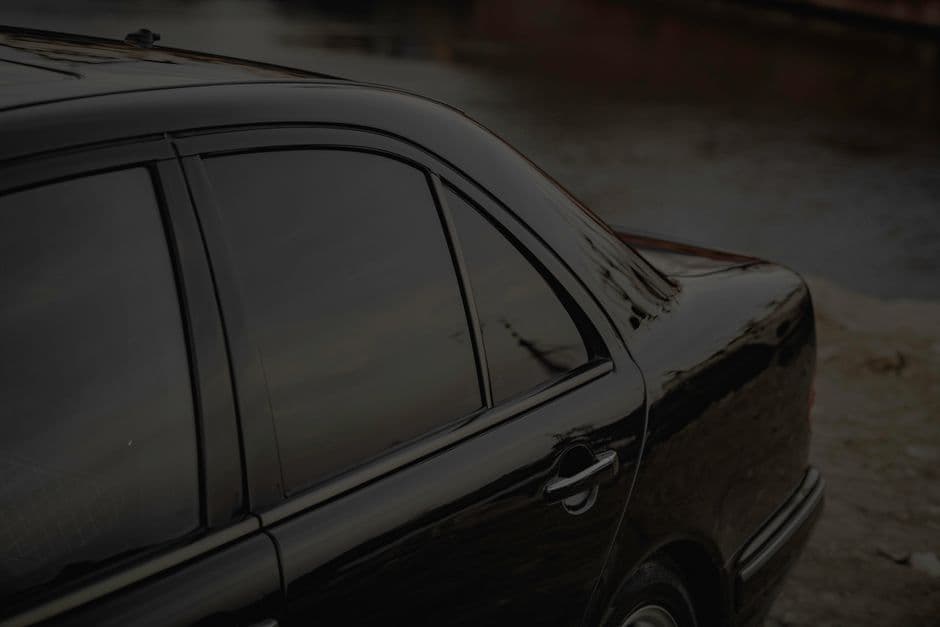
Cleaning tinted windows without damaging the film
The single most common way to ruin tint is cleaning it with an ammonia-based glass cleaner. Ammonia breaks down the film's dye and adhesive over repeated use, causing the hazy, purplish discoloration you sometimes see on older cars. Always check the label and reach for a cleaner marked ammonia-free before it touches a tinted window.
Use a soft microfiber cloth rather than paper towels, which can leave fine scratches on the film's surface over time, and wait at least a few days after a fresh install before cleaning at all, since new tint needs time to fully cure and bond to the glass. Our car washing and detailing guide covers the same gentle-product logic for the rest of the exterior.
Signs your tint is starting to fail
Bubbling is the clearest warning sign: small air pockets forming under the film as the adhesive breaks down and loses its grip on the glass. Peeling at the edges, usually starting at a corner or along the top edge, is the next stage, and once it starts it only spreads.
Purple or faded discoloration, most common on older dyed tint, happens as UV exposure breaks the dye down over years of sun exposure. None of these are cosmetic-only issues forever: badly bubbled or peeling tint eventually needs to be stripped and redone, since it can't be repaired in place.
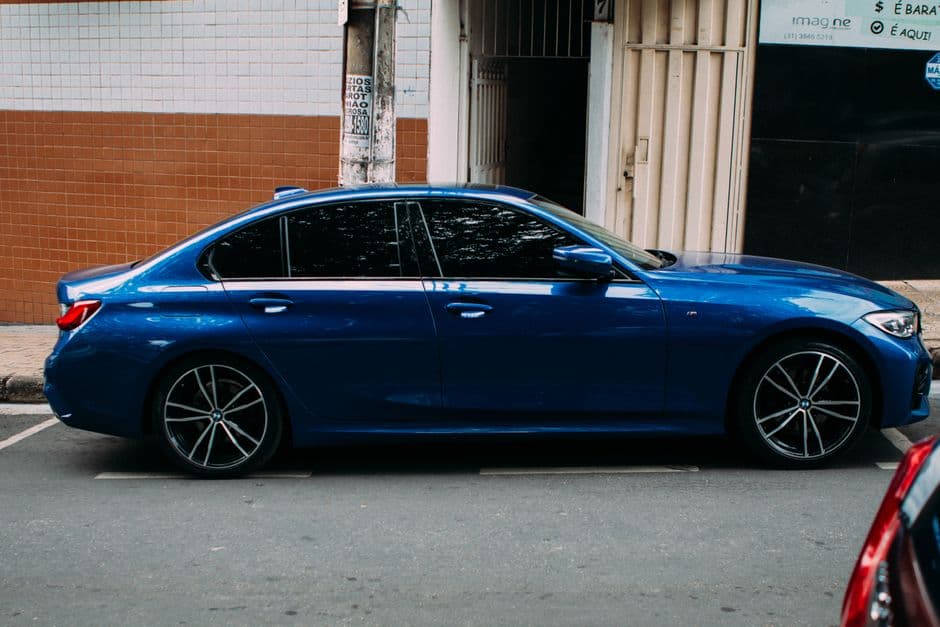
Dyed vs. ceramic tint and how that changes the lifespan
Dyed window film is the cheapest option and the most prone to fading and purpling over time, since the dye layer breaks down under continuous UV exposure. Carbon and ceramic tints hold their color much longer and resist fading almost entirely, because they block heat and UV through particles embedded in the film rather than dye that degrades with sun exposure.
Ceramic tint costs more upfront, but if you're already planning to keep a car for years, the longer lifespan and better heat rejection usually make it the better value over a full ownership period rather than replacing dyed film twice in the same span.
Tint darkness laws and inspection risk
Legal tint darkness limits vary significantly by state, and some states set different rules for front side windows versus rear windows and the windshield strip. Tint that was legal where you bought a used car may not pass in the state you register it in, so it's worth confirming your local limit rather than assuming the previous owner got it right.
In states that run periodic safety or emissions inspections, tint that's too dark is a common, avoidable failure point. Our car inspection checklist covers the other items worth checking before you head in.
Logging tint work with the rest of your mods
Tint is a modification like any other, and it's worth logging the same way: shop name, film brand and percentage, cost, and date installed. That record matters if a bubble or peel shows up under warranty, and it matters again at resale, when a buyer wants to know the tint is recent rather than a decade old and about to need a redo.
Wheelscribe's entry form keeps the receipt and film details attached to the entry alongside every other service and mod on the car. It's free to start with one car if you want it on record before your next inspection.
Frequently asked questions
What's the best way to clean tinted car windows?
Use an ammonia-free glass cleaner and a soft microfiber cloth. Ammonia-based cleaners break down the film's dye and adhesive over repeated use, which is the most common cause of hazy or purple discoloration on older tint.
How long does window tint usually last?
Quality tint, cleaned correctly, commonly lasts a decade or more. Cheaper dyed film tends to fade and purple sooner than carbon or ceramic tint, which resist UV breakdown much better.
What causes window tint to bubble or peel?
Bubbling happens as the adhesive breaks down and loses its grip on the glass, often from age, heat, or harsh cleaning products. Peeling usually follows, starting at an edge or corner, and neither can be repaired in place once it starts.
Is ceramic tint worth the extra cost over dyed tint?
For most owners planning to keep the car for several years, yes. Ceramic tint resists fading and rejects more heat than dyed film, so it usually works out to better value over a full ownership period even at a higher upfront cost.
Can window tint fail a state safety inspection?
Yes, if it's darker than your state's legal limit. Limits vary by state and often differ between front side windows, rear windows, and the windshield strip, so tint that was legal elsewhere may not pass where you register the car.
Start logging your car's history
One car, unlimited entries, free forever. See pricing for what Pro adds.
Create free account