
Charging System & Alternator Maintenance
Alternator maintenance and charging system checks: how to test voltage, tell a dying alternator from a dying battery, and when replacement is due.
What charging system maintenance actually means
Alternator maintenance is mostly about diagnosis, not scheduled service. Unlike an oil change or a fluid flush, there's no mileage interval printed in your owner's manual for the alternator itself. What actually matters is catching the early signs of a failing charging system before it leaves you stranded with a battery that won't hold a charge no matter how many times you replace it.
The charging system is the alternator, the voltage regulator (usually built into the alternator on modern cars), the belt that drives it, and the wiring that carries power to the battery and everything else running while the engine is on. A weak link anywhere in that chain shows up as the same handful of symptoms, which is exactly why so many people replace a perfectly good battery when the alternator was the actual problem.
How the alternator keeps your battery charged
The alternator spins off the same belt that drives your power steering pump and AC compressor, converting that mechanical rotation into electrical current. It recharges the battery while you drive and powers everything else on the car at the same time, so a healthy alternator is doing more work than most drivers realize every time the engine's running. Wikipedia's breakdown of how an alternator works covers the mechanical side if you want the full picture.
This is a different system than the battery itself. The battery stores power and supplies the big jolt needed to start the engine. The alternator generates power once the engine's running and tops the battery back up. A dead battery and a dead alternator produce nearly identical symptoms at first, which is where most of the confusion in charging system maintenance actually comes from.

Signs your alternator or charging system is failing
Dimming headlights or interior lights, especially when idling or when you turn on the AC and stereo at the same time, is one of the clearest early signs. A battery warning light on the dash, despite the name, is almost always about the charging system rather than the battery specifically, since that's what the sensor behind it actually monitors.
A growling or whining noise from the front of the engine can point to worn alternator bearings, and a burning rubber smell sometimes means the drive belt is slipping under load. The most frustrating symptom is a battery that keeps dying even after you've replaced it, which usually means the new battery was never getting properly recharged to begin with.
Testing charging voltage yourself
A multimeter across the battery terminals tells you most of what you need to know. With the engine off, a healthy battery reads around 12.4 to 12.6 volts. Start the engine and check again: a properly functioning charging system should push that reading to roughly 13.7 to 14.7 volts, confirming the alternator is actually charging the battery instead of just sitting there.
If the voltage barely moves once the engine's running, or climbs well past 15 volts, that points to a charging system problem rather than a battery problem. Turning on the headlights and blower motor while you read the meter is a good stress test, since a marginal alternator often struggles to keep the voltage up once real electrical load gets added.
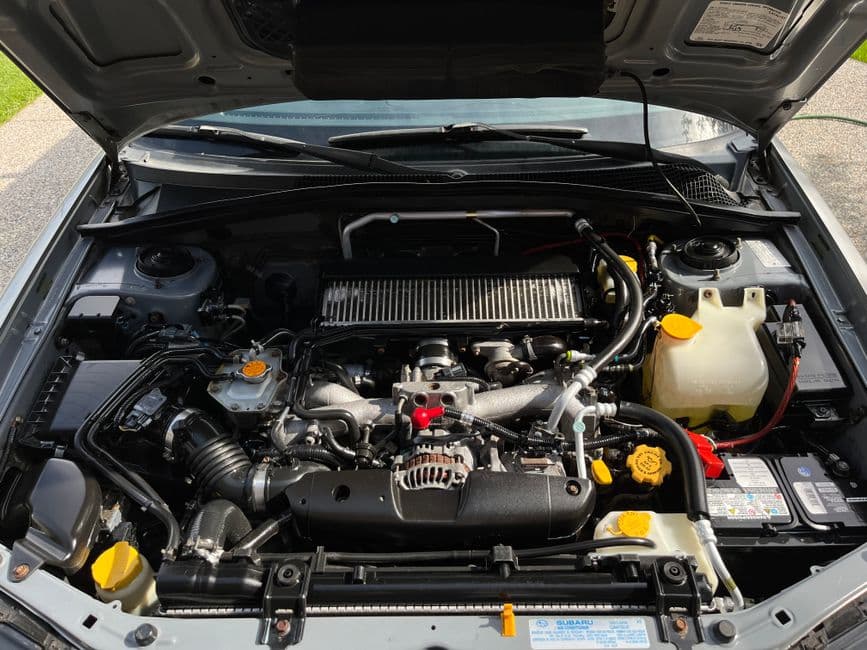
Alternator vs. battery: telling which one is actually the problem
Most auto parts stores will test both for free, and it's worth doing before buying either part on a guess. A battery that tests weak on its own, with a healthy voltage reading from the alternator, is a battery problem. A battery that tests fine when fully charged but keeps going dead is almost always a charging system problem draining it faster than it recharges.
A worn serpentine belt slipping under the alternator's pulley can cause the exact same symptoms as a bad alternator, so check belt tension and condition before condemning the alternator itself. It's a cheaper fix and a common one.
How long an alternator lasts and when to replace it
Most alternators last somewhere between 80,000 and 150,000 miles under normal driving, though heavy electrical loads, like a stereo system pulling serious power or frequent short trips that never let the battery fully recharge, can shorten that. There's no fixed replacement interval the way there is for a timing belt, so voltage testing when symptoms appear is the real trigger, not mileage.
Replacing the alternator is a job most home mechanics with the right tools can handle on many cars, though access varies a lot by model, some are a twenty-minute job, others require removing half the front end. If you're not confident diagnosing which component actually failed, a shop's free charging system test is worth the trip before buying parts.
Logging charging system work
An alternator replacement is exactly the kind of repair that's easy to lose track of, and the kind a future buyer, or future you, will want to know about. The NHTSA treats the charging system as safety-relevant equipment, and a documented repair is one less thing a mechanic has to guess about the next time a battery symptom shows up.
Wheelscribe's entry form keeps the alternator replacement, the mileage it happened at, and the part used all in one place, so if a similar symptom shows up again years later, you'll know immediately whether you're looking at a new problem or the same part failing early. It's free to start with one car.
Frequently asked questions
What are the signs of a bad alternator?
Dimming headlights or interior lights, a battery warning light on the dash, a growling or whining noise from the engine, and a battery that keeps dying even after being replaced. Any of these is worth a voltage test before assuming the battery is the problem.
How do I test if my alternator is charging properly?
Use a multimeter across the battery terminals. With the engine off, a healthy battery reads about 12.4 to 12.6 volts. With the engine running, that should rise to roughly 13.7 to 14.7 volts. A reading that barely moves, or climbs well past 15 volts, points to a charging system fault.
How can I tell if it's the alternator or the battery that's bad?
Most auto parts stores test both for free. A battery that tests weak on its own with normal charging voltage is a battery problem. A battery that tests fine but keeps going dead is usually a charging system problem draining it faster than it recharges.
How long do alternators typically last?
Most last between 80,000 and 150,000 miles under normal driving conditions. Heavy electrical loads and frequent short trips that don't let the battery fully recharge can shorten that. There's no fixed mileage interval, so watch for symptoms rather than scheduling replacement by mileage.
Can a bad serpentine belt cause charging problems?
Yes. A worn or slipping serpentine belt can prevent the alternator's pulley from spinning at full speed, producing the same dimming lights and warning light symptoms as a failing alternator. Check belt tension and condition before assuming the alternator itself needs replacing.
Is alternator maintenance something I need to schedule regularly?
No, there's no mileage-based service interval for a healthy alternator. Charging system maintenance is mostly about testing voltage when symptoms appear, like dimming lights or a warning light, rather than routine scheduled service.
Start logging your car's history
One car, unlimited entries, free forever. See pricing for what Pro adds.
Create free account