
Convertible Soft Top Maintenance Guide
Convertible soft top maintenance means cleaning, conditioning, and protecting the fabric or vinyl before UV and age cause cracks, leaks, and tears.
What convertible soft top maintenance actually covers
Convertible soft top maintenance is cleaning, conditioning, and protecting the fabric or vinyl roof so it doesn't crack, fade, or start leaking years before it should. Most tops are either canvas-style cloth (which breathes but stains easier) or vinyl (which wipes clean but hardens faster in the sun), and the two need slightly different products even though the routine is the same.
A neglected top doesn't fail all at once. It fades, then stiffens, then cracks along the fold lines, and by the time it's leaking onto the seats the fabric is usually too far gone to save with a cleaning. Catching it early is a lot cheaper than a replacement top and installation.
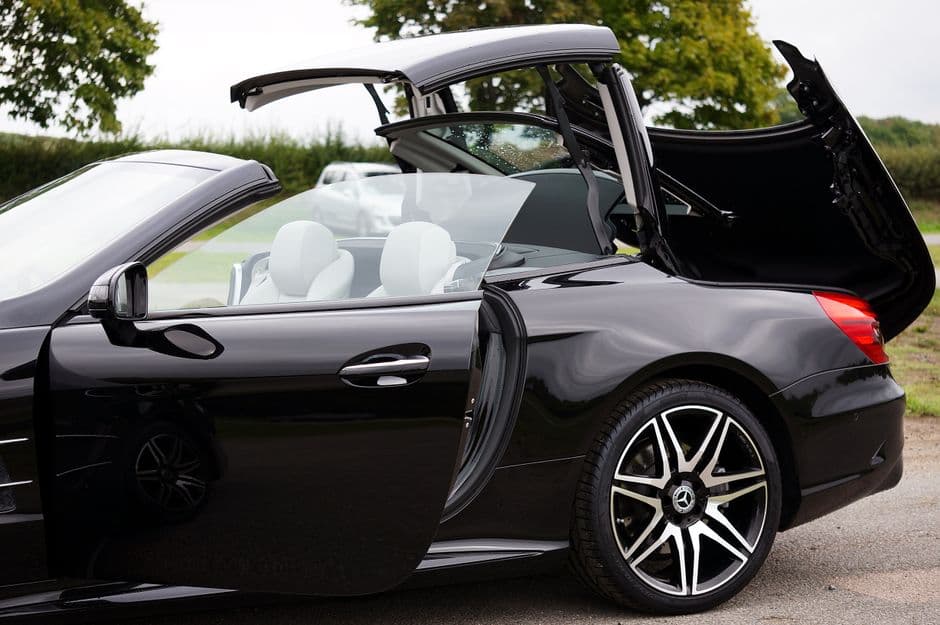
Cleaning without damaging the fabric
Skip the automatic car wash. The brushes that are harmless on painted metal will fray and pill a cloth top over time, and the harsh detergents strip the factory water-repellent coating faster than normal weather does. Hand wash with a soft brush made for convertible tops and a cleaner formulated for the material, working in the shade rather than direct sun so the cleaner doesn't dry and streak before you rinse it.
Rinse from the top down and let it air dry with the top up; closing a damp top traps moisture against the frame and invites mildew, especially on cloth tops in humid climates. A few minutes of patience here is the difference between a top that looks new for years and one that smells musty by the second summer.
Conditioning and UV protection
UV exposure is what actually ages a convertible top, not miles or years by themselves. A car parked outside in direct sun daily will show fading and stiffening in a fraction of the time a garage-kept car will. A fabric protectant applied every few months restores water repellency and blocks UV; a vinyl top needs a UV protectant made for vinyl rather than a generic tire shine product, which can leave it slick or discolored.
According to Haartz, one of the largest manufacturers of convertible top fabric, a properly conditioned top should be treated roughly every three months in regular outdoor use, more often in intense sun or coastal salt air.

Preventing and finding leaks
Most convertible leaks start at the seams, the rear window seal, or the drain channels along the sides rather than through the fabric itself. Check the drain channels for debris before every rainy season; a clogged drain backs water up under the top instead of routing it away, which looks like a fabric leak but isn't.
A simple test: run water gently over the top with the interior dry and a flashlight inside, and watch for where light or water actually gets through. Seam sealant made for convertible tops fixes small seam leaks without a full top replacement, but a torn window or a leak along a fold line usually means it's time to talk to a top shop.
The folding mechanism and power top motor
The metal frame under the fabric has pivot points that need occasional lubrication, per your owner's manual, to keep the top folding smoothly instead of straining the fabric at the stress points. If you have a power top, never force it if it stalls or hesitates; that's often a hydraulic fluid or motor issue, and forcing the mechanism can tear the fabric or bend the frame in a way that's far more expensive to fix.
Storage habits that matter
Park in shade or under a cover when you can, since UV damage adds up daily whether the top is up or down. Avoid folding the top down in freezing temperatures; cold fabric and vinyl lose flexibility and are far more likely to crack at the fold lines than the same top folded on a mild day. Hagerty, which insures a lot of convertibles, recommends avoiding long-term storage with the top down, since a fabric top left folded for months can set creases that are hard to reverse.
What to log for a convertible top
Cleaning and conditioning dates matter here the same way oil changes do for an engine: without a record, it's easy to let six months slide into eighteen without noticing. Our car washing guide covers the broader exterior routine, and our leather seat maintenance guide covers the same clean-and-condition logic for the interior. Wheelscribe keeps the top's conditioning schedule alongside the rest of the car's history, and it's free to start.
Frequently asked questions
How often should a convertible soft top be conditioned?
Roughly every three months in regular outdoor use, and more often in intense sun or coastal salt air. Conditioning restores water repellency and UV protection that fade with exposure.
Can I take a convertible through an automatic car wash?
It's best to avoid it. Automatic wash brushes can fray and pill cloth tops over time, and the harsh detergents strip the factory water-repellent coating faster than normal weather does. Hand wash with a soft brush and a cleaner made for the material instead.
How do I find a leak in my convertible top?
Run water gently over the top with the interior dry and a flashlight inside, watching for where light or water gets through. Also check the drain channels along the sides for debris, since a clogged drain backs water up and mimics a fabric leak.
Is it bad to fold a convertible top down in cold weather?
Yes. Cold fabric and vinyl lose flexibility and are more likely to crack at the fold lines than the same top folded on a mild day. Wait for warmer temperatures when possible.
What's the difference between cloth and vinyl convertible tops?
Cloth (canvas-style) tops breathe better but stain more easily, while vinyl tops wipe clean but harden faster in the sun. Each needs a cleaner and protectant formulated for that specific material.
Why is my power convertible top motor struggling to open or close?
It's usually a hydraulic fluid level or motor issue rather than something you should force through. Continuing to force a stalling power top can tear the fabric or bend the frame, so it's worth having it checked before it gets worse.
Start logging your car's history
One car, unlimited entries, free forever. See pricing for what Pro adds.
Create free account