
Diesel Truck Winter Maintenance Guide
Diesel truck winter maintenance: stop fuel gelling, run the block heater right, protect glow plugs and the battery, and keep DEF from freezing solid.
Why diesel truck winter maintenance is its own job
Diesel truck winter maintenance is not the same task as winterizing a gas engine, because diesel fuel itself can turn against you before the engine ever fails to fire. Wax crystals form in the fuel as it gets cold, the exhaust fluid in the tank can freeze solid, and a marginal battery or glow plug that worked fine in October can leave a diesel truck cranking and cranking on a morning that never gets above zero.
None of this is exotic once you know where to look. Fuel, glow plugs, battery, and diesel exhaust fluid (DEF) are the four places cold actually bites a diesel, and each one has a fix that takes minutes, not a shop visit. Handle them before the first hard freeze and a diesel truck starts the same in January as it does in July.
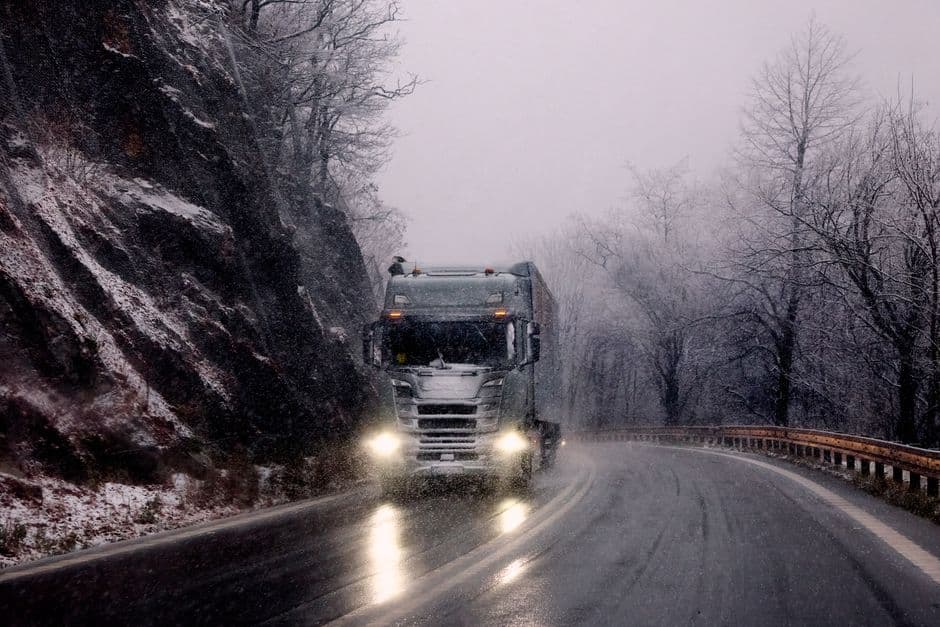
Fuel gelling: when diesel turns to wax
Diesel fuel contains paraffin wax, and as the temperature drops, that wax starts crystallizing out of the fuel instead of staying dissolved in it. Most standard #2 diesel begins clouding somewhere around 15 to 20 degrees Fahrenheit, the point engineers call the cloud point. Keep dropping the temperature and those crystals clump together and clog the fuel filter, which is what actually strands a truck, not the fuel freezing solid the way water does.
The symptom looks electrical at first: the truck cranks fine but won't catch, or it catches and dies within a few seconds as the filter starves the injectors. If that happens on a cold morning, warming the truck (or the fuel filter specifically) is usually the actual fix, not a jump start. A fuel system that gelled once will gel again at the same temperature unless something changes before the next cold snap.
Winter-blend fuel and anti-gel additives
Most fuel stations in cold climates switch to a winter blend once temperatures drop, mixing standard #2 diesel with #1 diesel, which has a lower cloud point and resists gelling much further below zero. The tradeoff is a small drop in fuel economy and lubricity, which is the price of a fuel that still flows at 20 below instead of turning to slush in the tank.
An anti-gel additive does a similar job in a bottle: added at fill-up, it lowers the fuel's cloud and pour points and keeps wax crystals small enough to pass through the filter instead of clogging it. Add it before the cold arrives, not after the truck is already sitting there refusing to start, since additives modify how the wax forms and can't undo crystals that have already clumped in a filter.
Block heater: when to plug in and for how long
A block heater warms the engine coolant (and on many trucks, the oil pan too) with a simple heating element and an extension cord, which does three things at once: it keeps fuel near the warm engine from gelling, it thins the oil so the starter has less resistance to overcome, and it cuts the white smoke and rough idle of a cold diesel warming up. Most manufacturers recommend plugging in whenever the forecast drops below about 20 degrees Fahrenheit.
Two to four hours before you plan to drive is the usual window, and there is no real benefit to leaving it plugged in overnight beyond that. Check the cord and element each fall before you need it: a heater with a burned-out element still gets plugged in and still does nothing, and the first you'll hear about it is a truck that won't start on the coldest morning of the year.
Glow plugs and intake heat in serious cold
Diesel engines rely on compression, not a spark, to ignite fuel, and compression alone doesn't heat a cold cylinder enough to fire reliably. Glow plugs (and on some engines, an intake air heater grid) close that gap by preheating the combustion chamber before cranking. The colder it is outside, the longer that wait-to-start cycle runs, which is why a diesel that fires almost instantly at 50 degrees might sit through ten or fifteen seconds of preheat at 10 below.
A wait-to-start light that stays on far longer than usual, or that needs two or three preheat cycles before the engine catches, points at a plug, relay, or controller that is losing its margin right when cold weather demands the most from it. Our diesel emissions system guide covers plug replacement intervals and full symptom diagnosis if you're past the point of just watching the dash.

A diesel battery works harder than the engine does
Diesel engines have higher compression than gas engines, which means the starter has to spin them against more resistance, and cold makes that resistance worse before the battery even gets involved. A battery's usable cranking power drops as the temperature falls too, so a diesel truck asks for more current from a battery that has less to give, right at the same moment.
That's why diesel trucks typically run a higher cold cranking amps (CCA) rating, and many carry two batteries wired together instead of one. Have both tested under load before winter rather than waiting for a slow crank to tell you, since a battery that reads fine on a voltmeter can still fail the load test. The battery maintenance guide covers testing and terminal care in more depth.
DEF freezes too, and the tank heater does the work
Diesel exhaust fluid is about 67 percent water, so it freezes at roughly 12 degrees Fahrenheit (minus 11 Celsius), well before diesel fuel gels. Every modern SCR-equipped diesel handles this by design: the DEF tank has a built-in heating element, usually tied into engine coolant, that thaws the fluid automatically once the engine warms up, the same way DieselNet's technical overview of SCR systems describes the tank and lines being built to survive a freeze without damage.
What that means practically: a DEF quality or low-DEF warning right after a hard freeze usually clears itself within a few minutes of driving, once the reheater catches up, and it is not a sign the fluid was ruined. Frozen DEF thaws back to full strength every time. Where it actually costs you is range, since the truck can't inject DEF (and some engines will limit power) until enough of the tank has thawed to feed the pump.
Drain the fuel filter and water separator before the freeze hits
Every diesel fuel system pulls some water out of the tank along with the fuel, and the water-fuel separator exists to catch it before it reaches the injectors. Left alone, that collected water sits at the bottom of the separator bowl, and water freezes at a much higher temperature than diesel gels, so a separator that's due for draining is often the real cause of what looks like a fuel problem on the first cold morning of the season.
Drain it on whatever interval your owner's manual specifies, and add one extra drain right before the first hard freeze of the year as cheap insurance. The Department of Energy's diesel fuel properties guide covers cloud point and water contamination in more technical detail if you want the full chemistry behind it. Our truck maintenance guide covers where fuel filter service fits into the rest of a diesel's schedule.
Track it once and next winter takes ten minutes
Additive brand and dose, the date you tested the batteries, the last time the separator was drained: none of it is hard to remember in October, and all of it is easy to lose by the third cold snap. Writing it down once turns next year's prep from a guessing game into a five minute check against what you did last time.
Wheelscribe keeps every service, date, and mileage in one timeline per truck, so the last battery test and the last filter drain sit right next to the oil change history instead of scattered across memory and old receipts. The free plan covers one truck with unlimited entries, which is plenty to get a winter routine started.
Frequently asked questions
At what temperature does diesel fuel gel?
Standard #2 diesel typically starts clouding, the first sign of wax crystallizing out of the fuel, somewhere around 15 to 20 degrees Fahrenheit. It doesn't freeze solid the way water does; the wax clumps and clogs the fuel filter instead, which is what actually strands the truck.
Should I use anti-gel additive with winter blend diesel?
Yes, they work together rather than against each other. Winter blend diesel (mixing in #1 diesel) lowers the fuel's cloud point on its own, and an anti-gel additive lowers it further by keeping wax crystals small enough to pass through the filter. Add the additive at fill-up, before cold weather arrives, not after a truck has already gelled.
How long should I run a block heater before starting?
Two to four hours is the usual window most manufacturers recommend once temperatures drop below about 20 degrees Fahrenheit. There's no real benefit to leaving it plugged in overnight beyond that, and checking the cord and heating element each fall catches a failed unit before you actually need it.
What happens if DEF freezes in the tank?
Nothing permanent. Diesel exhaust fluid freezes around 12 degrees Fahrenheit, but every modern SCR-equipped diesel has a built-in tank heater tied to engine coolant that thaws it automatically as the engine warms up. A DEF quality warning right after a hard freeze usually clears within a few minutes of driving.
How do I know if my glow plugs are failing in cold weather?
Watch the wait-to-start light. If it stays on far longer than usual, or the engine needs two or three preheat cycles before it catches, a plug, relay, or controller is losing its margin right when cold weather is asking the most of it. Cold makes a marginal glow plug system fail obviously where it might limp along in mild weather.
Does a diesel truck need a different battery for winter?
Diesel engines already demand more cranking amps than gas engines because of higher compression, and cold cuts a battery's usable output at the same time it raises that demand. That's why diesel trucks typically run a higher cold cranking amps (CCA) rating, often with two batteries wired together, and why load-testing both before winter matters more than it does on a gas truck.
How often should I drain the fuel filter water separator in winter?
Follow whatever interval your owner's manual specifies, and add one extra drain right before the first hard freeze of the season. Water collects in the separator bowl over time and freezes at a much higher temperature than diesel gels, so a separator overdue for draining is a common hidden cause of a cold-morning no-start.
Start logging your car's history
One car, unlimited entries, free forever. See pricing for what Pro adds.
Create free account