
European Car Maintenance Schedule
The European car maintenance schedule for BMW, Audi, Mercedes, and VW: service intervals, what the plans cover, and the fluids their manuals quietly skip.
What a European car maintenance schedule looks like
Most European brands run condition based servicing, so the car calculates its own intervals from driving conditions rather than printing a fixed mileage chart. In practice a modern BMW, Audi, Mercedes, or VW asks for an oil service somewhere between 10,000 and 15,000 miles or once a year, with a larger inspection service every second visit that adds filters, brake fluid, and a long list of checks.
The catch is that the computed interval optimises for low advertised running costs, not for engine longevity. Plenty of independent specialists shorten oil changes to 7,500 miles on turbocharged engines, and owners who do short trips in traffic should treat the severe service column as their normal one.
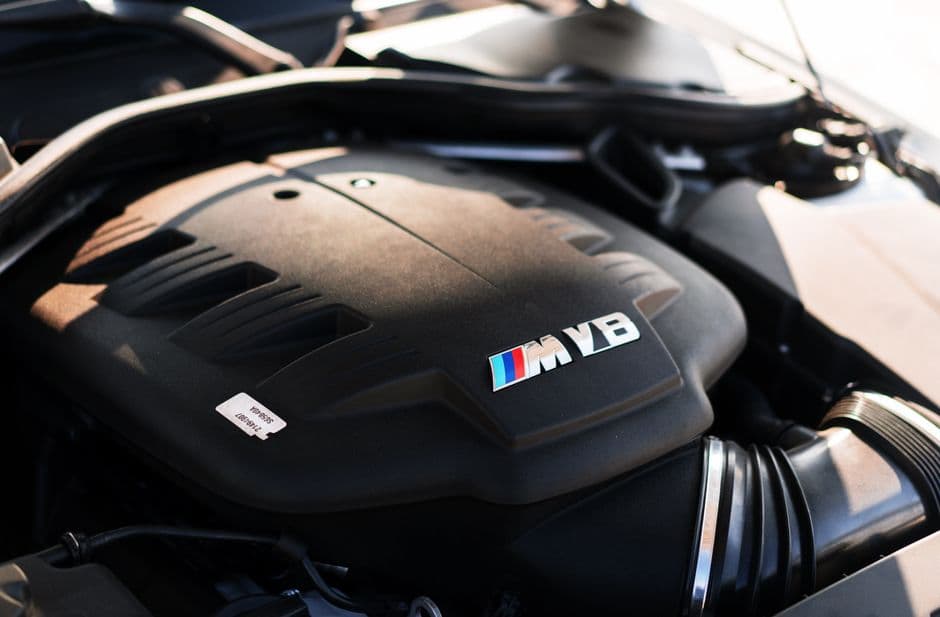
BMW Condition Based Service, in plain terms
BMW splits work into Oil Service and Vehicle Check, and the dashboard counts down to each based on sensors and driving style. Oil and filter typically land near 10,000 miles or twelve months, brake fluid runs on a two year clock regardless of mileage, and cabin and engine air filters come due around every other oil service.
Items the counter never mentions still need attention. Spark plugs on turbo fours want replacing around 45,000 to 60,000 miles depending on engine, the cooling system on older inline sixes is a known wear point, and valve cover and oil filter housing gaskets are the classic mid life leaks. If you buy a used BMW without records, assume none of that has been done and budget accordingly.
Audi and VW: fixed or flexible servicing
Volkswagen Group cars run either fixed servicing, at 10,000 miles or annually, or flexible servicing that can stretch toward 18,000 miles for gentle motorway use. Flexible looks appealing on paper and is rough on a direct injection turbo engine that lives in town, so most independent Audi and VW specialists quietly recommend the fixed schedule.
Beyond oil, the big ones are brake fluid every two years, a DSG gearbox service around 40,000 miles on wet clutch boxes, Haldex fluid on all wheel drive models roughly every 30,000, and carbon cleaning on older direct injection engines that never wash their intake valves with fuel. An Audi Care style prepaid plan bundles the scheduled visits, but read what it excludes before assuming it covers a gearbox service.
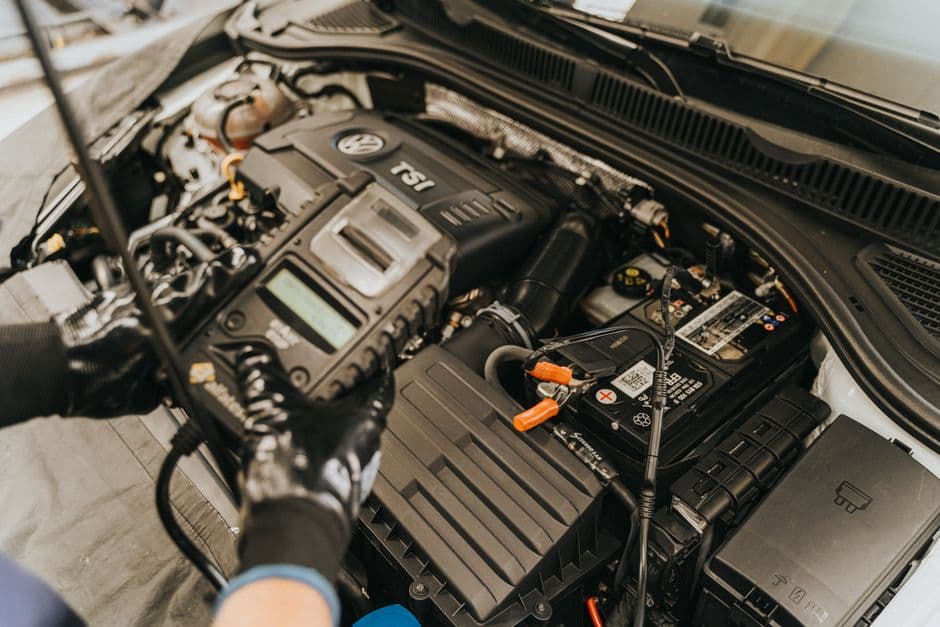
Mercedes Service A and Service B
Mercedes alternates two visits. Service A covers oil and filter, a cabin filter, fluid top ups, tire pressure correction, and a general inspection. Service B adds the engine air filter and brake fluid, and lands as the more expensive of the two. The car's Flexible Service System tells you which is due and when, usually about a year or 10,000 miles apart.
Longer term items sit outside that alternation: transmission service on the 7G and 9G boxes despite the lifetime fluid label, spark plugs, differential fluid on rear drive models, and air suspension components on models that have them. Treating “lifetime fluid” as literal is how a gearbox becomes a four figure repair at 120,000 miles.
Why European service costs more, and where it does not
Three things drive the bill: oil volume and specification, parts pricing, and labour access. These engines take seven to nine quarts of an approved synthetic, the filters and sensors cost more than the equivalent Japanese parts, and some jobs need the front end partly disassembled to reach a component. None of that is exotic, it is just more expensive per visit than a Toyota maintenance schedule or a Honda one.
Two things keep it sane. Independent specialists with the right diagnostic software charge far less than a dealer for identical work, and doing the simple items yourself takes real money off the bill. Air filters, cabin filters, wipers, and often the oil change itself are within reach of a home mechanic with a decent jack and the correct oil spec. Consumer Reports tracks brand level ownership costs if you are comparing before you buy.
Records are worth more on a German car
A used BMW or Audi with a documented service history sells faster and for more than an identical car without one, because buyers know what deferred maintenance on these cars costs. The stamped book helps, but the specifics help more: which oil spec went in, when the brake fluid was changed, whether the DSG service happened, what the last inspection flagged.
Records also protect you on warranty work. Under the federal warranty law the FTC administers, a manufacturer cannot demand you use dealer service to keep coverage, but you do need proof that the right work happened with the right specification parts.
Log each visit with date, mileage, cost, and the exact parts and fluid specifications used, then attach the invoice. That is the whole habit. Wheelscribe keeps it in one timeline per car so you can see at a glance when brake fluid is due again, the same way our general maintenance schedule guide lays out intervals, and the free plan covers a single car if you want to try it on the one that costs the most to run.
Frequently asked questions
How often do European cars need servicing?
Most run condition based intervals that land between 10,000 and 15,000 miles or once a year, with a larger inspection service every second visit. Brake fluid runs on a two year clock separately. Short trips and city driving should push you toward the shorter end.
What is the difference between Mercedes Service A and Service B?
Service A is the lighter visit: oil and filter, cabin filter, fluid top ups, and an inspection. Service B adds the engine air filter and brake fluid change, so it costs more. The car alternates between them roughly every year or 10,000 miles.
Is BMW Condition Based Service reliable?
It is reliable for the items it tracks, but it is tuned for advertised running costs rather than maximum engine life. Many owners of turbocharged models shorten oil changes to around 7,500 miles, and it never prompts you about spark plugs or cooling system wear.
Should I use fixed or flexible servicing on an Audi or VW?
Fixed servicing at 10,000 miles or annually suits most drivers. Flexible servicing stretches the interval for steady motorway use, which describes very few real cars. Direct injection turbo engines doing short urban trips do better on the shorter fixed schedule.
Do European cars really need transmission fluid changes?
Yes, despite the lifetime fluid label on many ZF, DSG, and Mercedes boxes. Independent specialists commonly recommend service somewhere between 40,000 and 60,000 miles. A fluid and filter service costs a fraction of what a rebuilt gearbox does.
Can I service a BMW or Audi myself without voiding the warranty?
In the US, the Magnuson-Moss Warranty Act means a manufacturer cannot void your warranty simply because you did the work. Keep dated receipts for parts and fluids that meet the approved specification, and record the mileage each service was done at.
Start logging your car's history
One car, unlimited entries, free forever. See pricing for what Pro adds.
Create free account