
How Long Does Car Maintenance Take?
How long does car maintenance take? Realistic times for oil changes, brakes, tires and inspections, plus why the shop keeps your car longer than the job needs.
How long does car maintenance take, job by job
Most routine car maintenance takes between 30 minutes and two hours of actual work. An oil change is 30 to 45 minutes, a tire rotation is 30 minutes, front brake pads and rotors run one to two hours, and a full scheduled service at a mileage interval is usually two to four hours because it bundles several jobs together.
Those are working times, not the time your car sits at the shop. A 45 minute oil change can still eat half a day if the shop is booked, and a two hour brake job turns into an overnight stay when a caliper bolt shears off and the replacement is at a warehouse across town. Book with that gap in mind and you will be annoyed far less often.
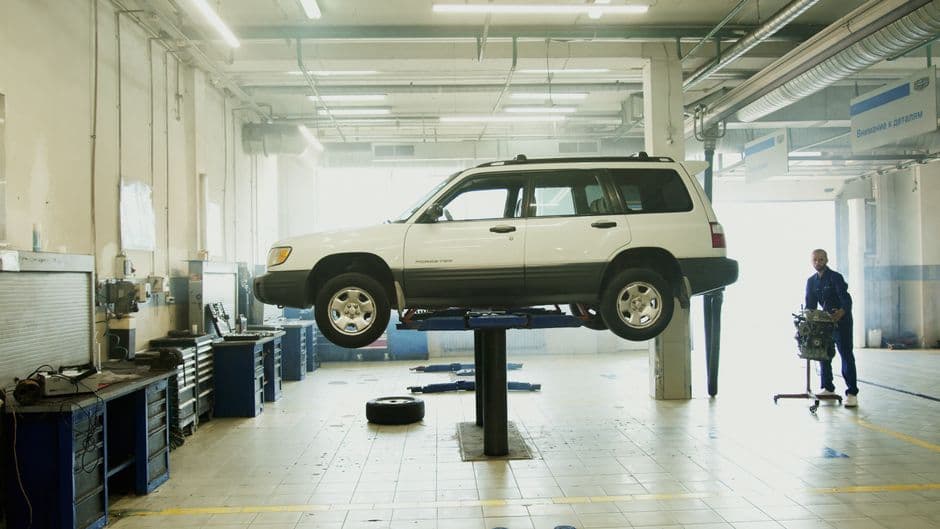
Typical times for the jobs you actually book
Rough labor times for common work, assuming nothing is seized or rusted solid:
- Oil and filter change: 30 to 45 minutes.
- Tire rotation: 30 minutes. Add an hour if you are also having new tires mounted and balanced.
- Brake pads and rotors, one axle: one to two hours.
- Battery replacement: 20 minutes on most cars, longer when it lives under a seat or behind a wheel liner.
- Coolant flush or transmission service: one to two hours.
- Timing belt: four to eight hours, which is why it is usually a full day booking.
Manufacturer scheduled services stack these jobs at set mileages, so a 60,000 mile service takes far longer than the 30,000 mile one. Our guide to how often each service is really due lists what lands at each interval.
Why the shop keeps your car longer than the job takes
Shops schedule bays and technicians, not clock time. Your car might wait two hours for a lift, get its 40 minute service, then wait again for the paperwork. Dealers usually run longer than independents because of the check-in process, the multi-point inspection, and the wash at the end that nobody asked for.
Three things stretch a visit the most: parts that are not in stock, an inspection finding something worse than expected, and open recall work bundled into the same visit. Recalls are free but they add labor time, so it is worth checking your VIN against the NHTSA recall database before you book rather than finding out at the counter.
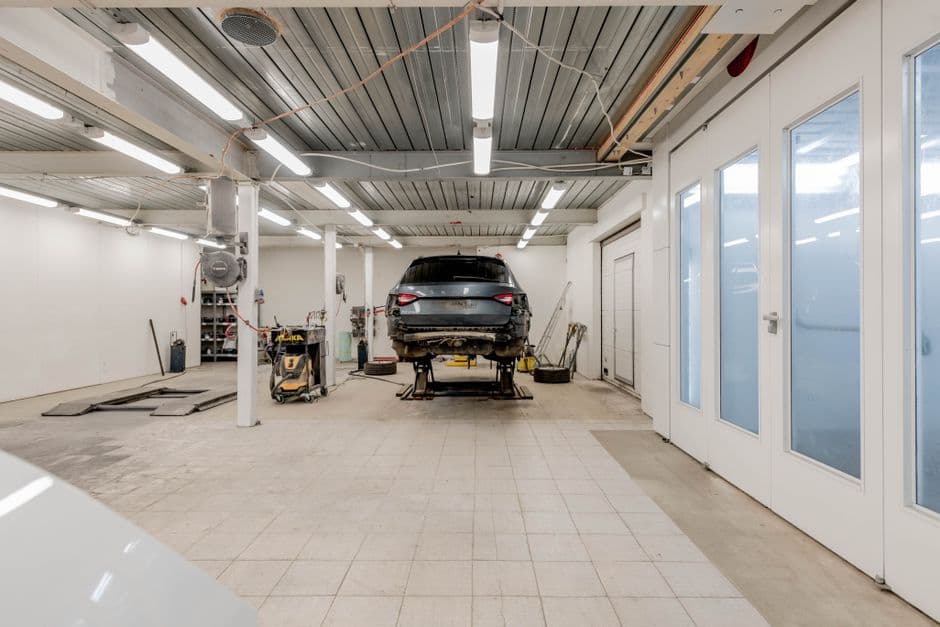
Doing it yourself: slower the first time, faster after that
Your first oil change will take about 90 minutes, mostly spent finding the drain plug, working out where the jack points are, and cleaning up. The third one takes 40 minutes. First brake job: three hours or so. Second: closer to 90 minutes, assuming the caliper slide pins cooperate.
Add time for the parts run you will inevitably make, and start early enough that you are not finishing in the dark with the car on stands. Our step by step oil change guide walks through the sequence, and the Department of Energy maintenance notes cover why keeping up with the basics pays for itself in fuel alone.
Plan the day around the service, not the other way round
Batch jobs into one visit where you can. Having tires rotated during an oil change adds 20 minutes instead of a second trip, and asking for the cabin filter at the same time costs minutes rather than another appointment. First appointment of the day is worth booking: the bay is empty, the parts counter is quiet, and nothing has run late yet.
Ask for a realistic pickup time rather than an optimistic one, and ask to be called before any extra work is approved. If you know what was done last visit and when, that conversation gets much shorter, which is the practical argument for keeping your own service records.
Log the time it took, not just the work
Recording how long each job took is the fastest way to plan the next one. After a year you know that your shop needs three hours for a service you were told takes one, or that your own brake jobs run two hours per axle. That turns booking from guesswork into arithmetic.
Wheelscribe stores the date, mileage, cost, and notes for every entry, so the history is there when you next call the shop. The free plan covers one car with unlimited entries, and costs nothing to try on the next oil change.
Frequently asked questions
How long does an oil change take?
About 30 to 45 minutes of work. A quick-lube place can be done in 20 minutes, while a dealer appointment often runs an hour or more once check-in and the multi-point inspection are included.
How long does a full car service take?
A scheduled service at a mileage interval usually takes two to four hours, because it bundles an oil change, filters, fluid checks, and an inspection into one visit. Larger interval services that include spark plugs or a timing belt can take a full day.
Why does the dealer keep my car all day for a one hour job?
Shops book bays rather than exact times, so your car waits for a free lift and a free technician either side of the actual work. Parts availability, inspection findings, and recall work add to it. Asking for the first slot of the day usually shortens the wait.
How long does a brake job take?
Pads and rotors on one axle take one to two hours at a shop. Doing it yourself for the first time takes closer to three hours, less once you have done it before and know where the caliper bolts and slide pins are.
Should I wait at the shop or drop the car off?
Wait for anything under about an hour, like an oil change or tire rotation, and drop off for anything bigger. If the job needs an inspection first, drop off, since the estimate can change once the wheels are off.
Start logging your car's history
One car, unlimited entries, free forever. See pricing for what Pro adds.
Create free account