
Sunroof & Moonroof Maintenance Guide
Sunroof maintenance that actually prevents leaks: cleaning drain tubes, checking seals and tracks, and catching failures before water gets in.
Sunroof maintenance is mostly about one thing: drainage
Sunroof maintenance sounds like it should be complicated, but almost every leak traces back to the same cause: a clogged drain tube. Most sunroofs and panoramic moonroofs have four drain holes at the corners of the opening, each feeding a thin tube that routes rainwater down through the door pillars and out near the bottom of the car. Leaves, pollen, and dust settle in those tubes over time, and once one clogs, water backs up and finds the nearest gap instead, usually somewhere directly above your head.
The seal and track matter too, but they fail slowly and predictably. Drain tubes clog on their own schedule, often without warning, which is exactly why they deserve a spot on a recurring maintenance list instead of a one-time check when the car was new.
How to clean sunroof drain tubes yourself
Open the sunroof and look at the four corners of the opening for small drain holes, then clear visible debris by hand or with a soft brush. For the tubes themselves, a length of thin vinyl tubing attached to a shop vacuum works well to pull a clog out rather than push it further down, where it can be harder to reach.
Skip compressed air and wire snakes unless you're careful. Both can puncture or disconnect the drain tube instead of clearing it, which turns a simple cleaning job into a dashboard-out repair. If you're unsure the tubes are actually draining, pour a small amount of water into a drain hole and confirm it exits cleanly near the bottom of the car rather than pooling somewhere in between.
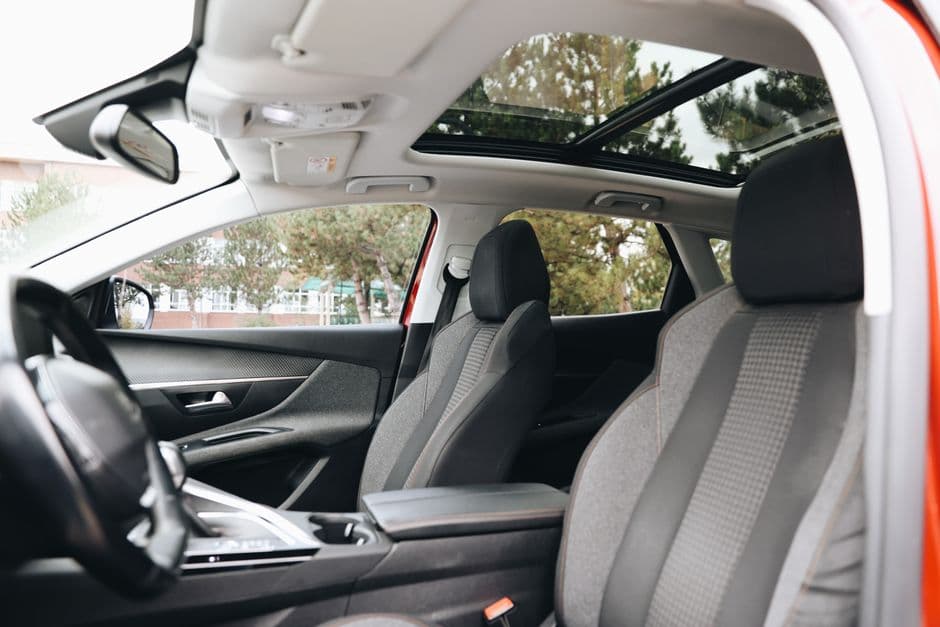
Checking the seal and track for wear
Run a finger around the rubber seal that lines the sunroof opening, feeling for stiffness, cracking, or spots that have compressed flat. A dried-out seal lets wind noise and water in even when the drains are clear, and a light coat of rubber conditioner every few months keeps it pliable, the same product you'd use on door and trunk seals.
The track the panel slides on collects the same dust and grit as a window track, and a dry track makes the motor work harder every time you open it. Wipe it out and apply a silicone-based lubricant, not household oil, which attracts more dust than it repels.
Warning signs of a leak before it reaches the headliner
A musty smell after rain, a damp patch on the headliner near the sunroof edge, or water pooling in the map light housing are all early signs worth acting on immediately, not waiting to see if they get worse. Wind noise that changes pitch when you crack the sunroof slightly can also point to a seal that's no longer sitting flush.
Caught early, most of these trace back to a clogged drain and take fifteen minutes to fix. Ignored, water tracks into the headliner foam and the car's electronics, since sunroof drains often run close to wiring harnesses in the door pillars, turning a cheap fix into an expensive one.

How often to do sunroof maintenance
Twice a year is enough for most drivers: once in spring after pollen season and once in fall before leaves start dropping, since both are the biggest sources of drain clogs. If you park under trees regularly or live somewhere with heavy pollen, check quarterly instead. Fold it into your regular car wash routine rather than treating it as a separate task, since the sunroof is already open for cleaning at that point anyway.
The Consumer Reports car maintenance guide makes a similar point about seasonal maintenance in general: small, recurring tasks timed to the season they matter most prevent far more damage than an annual once-over.
What a sunroof leak actually costs if it's ignored
A cleared drain tube costs nothing but a few minutes. Water damage that reaches the headliner, carpet padding, or an electrical module under the dash is a different story entirely, and can run into thousands of dollars in repairs depending on what it reaches. Comprehensive insurance sometimes covers water damage from a mechanical failure like this, though coverage details vary by policy, which the Insurance Information Institute covers in more detail.
Either way, a $2,000 headliner and electronics repair is a lot to pay for skipping a fifteen-minute drain cleaning twice a year.
Logging sunroof checks with the rest of your maintenance
A sunroof drain cleaning is easy to forget precisely because nothing goes wrong for months after you skip it. Logging the date next to your other seasonal maintenance, the same visit where you might check interior conditioning, turns it into a habit instead of something you only remember after the headliner already has a water stain.
Wheelscribe's entry log keeps a “sunroof drains cleared” entry right alongside your oil changes and tire rotations, so it shows up on the same timeline instead of living in a separate mental checklist. It's free to start with one car.
Frequently asked questions
Why is my sunroof leaking even though it looks closed properly?
Nearly all sunroof leaks come from a clogged drain tube rather than a failed seal. Water pools in the drainage channel around the opening and, once a drain hole clogs, backs up and finds the nearest gap instead of routing out through the door pillars as designed.
How do I clean a clogged sunroof drain tube?
Open the sunroof, locate the drain holes at the corners of the opening, and use a shop vacuum with thin vinyl tubing to pull debris out. Avoid compressed air or wire snakes unless you're careful, since both can puncture or disconnect the drain tube instead of clearing it.
How often should I do sunroof maintenance?
Twice a year is enough for most drivers, once in spring after pollen season and once in fall before leaves start dropping. Check quarterly if you regularly park under trees or live somewhere with heavy pollen or debris.
What are the warning signs of a sunroof leak?
A musty smell after rain, a damp patch on the headliner near the sunroof edge, or water pooling in the map light housing are all early warning signs. Wind noise that changes pitch when the sunroof is cracked open can also indicate a seal that isn't sitting flush.
Can a sunroof leak damage my car's electronics?
Yes. Sunroof drain tubes often run close to wiring harnesses inside the door pillars, so a persistent leak can track water into electrical connectors and modules, not just the headliner and carpet. That's part of why catching a clog early is worth the small effort.
What should I use to lubricate a sunroof track and seal?
Use a silicone-based lubricant on the track, not household oil, which attracts more dust and grit than it repels. For the rubber seal around the opening, a rubber conditioner made for weatherstripping keeps it pliable and helps it seal properly.
Start logging your car's history
One car, unlimited entries, free forever. See pricing for what Pro adds.
Create free account