
Car Suspension Upgrades: Coilovers vs Springs
A car suspension upgrade guide: coilovers vs lowering springs vs sway bars, what changes after lowering, and what to log at install.
What a car suspension upgrade actually changes
A car suspension upgrade means replacing or modifying the springs, dampers, or anti-roll bars that control how a car rides, corners, and sits. Under that one label are three pretty different jobs, coilovers, lowering springs, and sway bars, and they solve different problems even though people lump them together in the same sentence. Figuring out which one you actually need matters more than picking a popular brand name, because the wrong part for your goal wastes money and can make the car worse to drive than it was before you touched it.
This assumes your car is mechanically sound already. If it has a clunk, a pull, or a leak, fix that first. Suspension upgrades for cars with an existing problem tend to just bury the symptom under new parts instead of solving anything, and a fresh spring on top of a bad bushing is still a bad bushing. Suspension work also sits alongside the other car upgrades people tackle early on, tires, brakes, wheels, but it has more ways to go wrong. That's worth an extra hour of research before you order parts, whether it's a daily driver or a project car you picked out specifically to build.
Coilovers vs. lowering springs: what's actually different
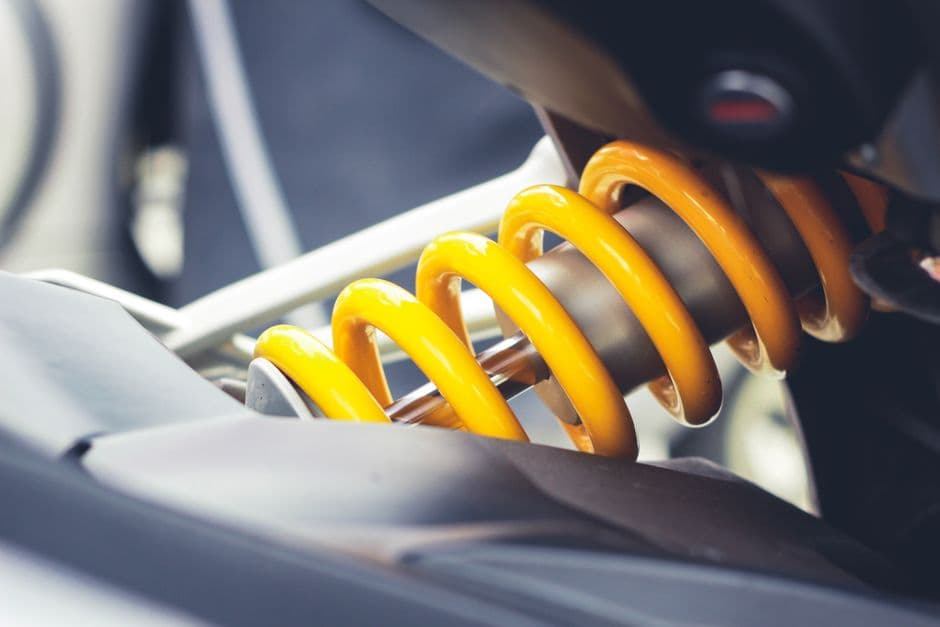
Lowering springs replace just the springs on your factory struts or shocks, dropping ride height somewhere around 1 to 2 inches while keeping the stock dampers in place. They're the cheaper option and a reasonable choice if your factory dampers are still healthy. Pair stiffer springs with worn stock shocks, though, and you'll shorten what's left of their life while making the ride harsher without the control to back it up.
Coilovers replace the whole assembly, spring and damper together, on a threaded sleeve that sets ride height independently of spring rate. That's the real advantage: you can run a stiff spring and still dial the car back up for speed bumps, or drop it low without maxing out how far the strut can compress. Budget coilovers tend to cut corners on the damper internals. Mid-range kits and up from established suspension brands are where that adjustability actually earns its price.
Sway bars and anti-roll bars: the cheap handling fix
A sway bar (anti-roll bar) ties the left and right suspension together across an axle. It resists body roll in corners without touching ride height at all. It's the least expensive of the three upgrades and often the most noticeable for how a car feels in a corner, because it directly fights the lean that makes a turn feel unsettled.
Aftermarket bars usually add a few extra mounting holes on the end links, so you can stiffen or soften the rear relative to the front and shift the car's handling balance toward understeer or oversteer. A thicker rear bar is a common fix for a car that plows wide at the front. Because a sway bar swap doesn't touch ride height or spring rate, it's one of the cheapest car performance upgrades you can make, and one of the safer first suspension mods if you're not ready to deal with alignment yet.
What changes to ride height after lowering
Lowering a car shortens how far the suspension can compress and extend, and that changes more than the stance. Less downward travel means potholes and speed bumps eat into your remaining travel faster, so a car dropped too far can start bottoming out on roads it used to shrug off. The control arms and tie rods also move to steeper angles, which can introduce bump steer: hitting a bump slightly turns the wheel on its own, which is exactly as unnerving as it sounds.
Most street setups in the 1 to 2 inch range stay clear of these effects, especially with quality coilovers matched to the car. Drop much past that and you're often looking at aftermarket control arms, extended end links, or camber and caster correction arms just to get the geometry back to something predictable. If a shop is happy to sell you a big drop and never mentions any of this, get a second opinion before you buy.
Alignment after a suspension upgrade: what to ask for
Any ride height change calls for an alignment. Full stop. Lowering typically pushes camber more negative (the top of the tire leans in more) and can shift caster and toe out of factory spec. Drive around on a freshly lowered car without correcting for that and you'll wear the inside edges of your tires within a few thousand miles.
Ask the alignment shop for the actual numbers, not just a reassurance that everything's “in the green.” A proper printout lists camber, caster, and toe for each corner, before and after adjustment. If you've lowered more than an inch or two, ask specifically whether the shop can hit spec with the stock adjustment range or whether you'll need aftermarket camber bolts or arms to get there. QA1's alignment guide walks through how the three settings interact, which is worth a read before you sign off on that printout.
Suspension upgrades vs. interior upgrades: a different kind of money
Suspension work changes how the car drives. It won't make the cabin any nicer to sit in. If your actual complaint is road noise or a tired-looking dash rather than body roll, car interior upgrades, sound deadening, a reupholster, a new head unit, solve a completely different problem for a similar budget. Neither one is more legitimate than the other. They just answer different questions about what's actually bothering you about the car.
A lot of owners end up doing both eventually, but it's worth being honest with yourself about which one you're actually trying to fix before you spend money on parts that won't touch the real complaint. If it's a corner you don't trust the car in, that's suspension. If it's a two-hour drive that feels louder than it should, that's a completely different project.
What to log for every suspension install
Suspension work generates exactly the kind of detail you'll want later and won't remember: the brand and part number of the springs or coilover kit, the spring rate if it's listed, and the ride height measurement before and after. Eibach's installation instructions recommend measuring from the center of the wheel straight up to the fender lip on a level surface, then measuring again after driving the car a few miles to let everything settle. That number is worth writing down right next to the parts you used.
Save the alignment printout too, camber, caster, and toe per corner, so there's a record if something drifts later or a different setup goes on down the road. It's the same habit that makes logging every upgrade worth it long after the parts are bolted on: one entry per change, with the actual numbers attached instead of remembered later and probably wrong. Wheelscribe's entry form keeps that photo, receipt, and spec together against the entry instead of scattered across old text threads, which starts to matter a lot more once you're deep into a project car build.
Frequently asked questions
Are coilovers better than lowering springs?
Coilovers give you adjustable ride height and usually better damping control, which is worth it if you want to fine-tune the setup or change it later. Lowering springs are cheaper and simpler if your stock shocks are still in good shape and you just want a one-time drop. Neither one is universally better. It depends on your budget and how much control you actually want over the setup.
Do I need an alignment after installing a suspension upgrade?
Yes, every time. Changing ride height shifts camber, caster, and toe away from factory spec, and driving on it unaligned wears your tires unevenly within a few thousand miles. Budget the alignment into the cost of the upgrade itself, not as an optional extra you'll get around to later.
How much can I lower a car before it needs more than an alignment?
Past roughly 1 to 2 inches, many cars run out of factory adjustment range for camber and need aftermarket arms or camber bolts to get back to spec. The exact point varies by vehicle, so ask your alignment shop whether they can hit spec with what's currently on the car before you drop it any further.
What's the cheapest suspension upgrade that actually improves handling?
A quality rear sway bar is usually the best value. It doesn't touch ride height or require an alignment, and it directly cuts down on body roll in corners. It's a common first step before spending more on coilovers.
Do lowering springs ruin your stock shocks?
Not immediately, but stiffer springs ask more of dampers that were never designed for them, and worn stock shocks wear out even faster under the extra load. If your shocks already have real mileage on them, budget for new ones alongside the springs instead of bolting new springs onto tired dampers.
What should I record when I install a suspension upgrade?
The part numbers and spring rate if listed, the ride height measurement before and after, and the full alignment printout with camber, caster, and toe per corner. That record is what saves you from re-diagnosing a handling change from scratch six months later.
Start logging your car's history
One car, unlimited entries, free forever. See pricing for what Pro adds.
Create free account