
Wheel Alignment and Tire Balancing Guide
A wheel alignment and tire balancing guide covering what each service fixes, signs you need one or the other, how often, and typical cost.
Wheel alignment and tire balancing fix two different problems
Wheel alignment and tire balancing get lumped together because they're often done at the same shop visit, but they fix completely different things. Alignment adjusts the angles of your wheels relative to each other and the road, which is a suspension and steering job. Balancing corrects uneven weight distribution in the tire and wheel assembly itself, which is a spinning-mass problem, not a steering one.
Mixing the two up wastes money: paying for a balance won't fix a car that pulls to one side, and an alignment won't stop a steering wheel from shaking at 65 mph. If you're building out a full car maintenance checklist, knowing which one you actually need saves a wasted trip.
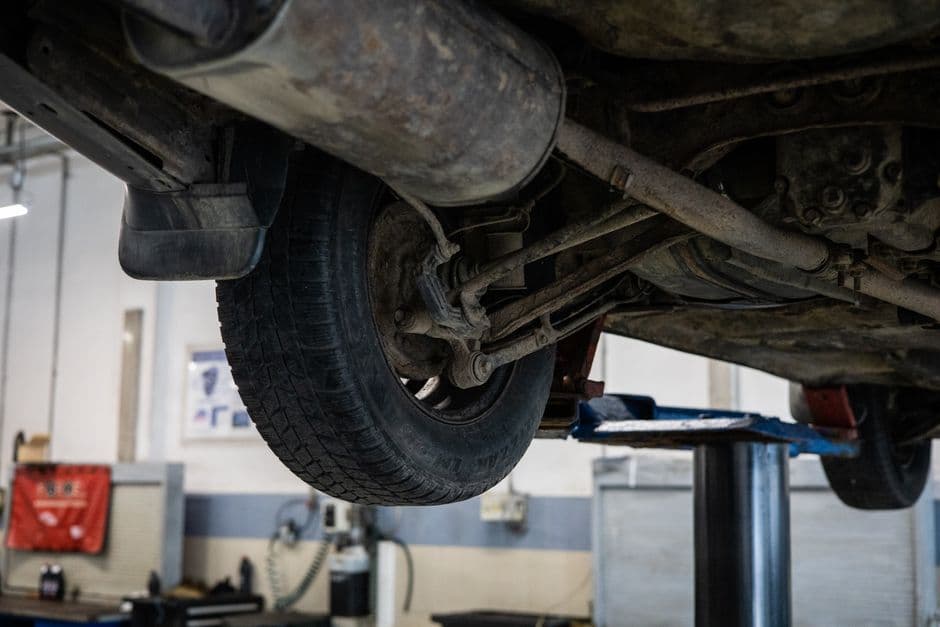
Signs your car needs an alignment
The car pulling to one side on a flat, straight road is the clearest sign, especially if you have to hold the wheel slightly off-center just to drive straight. Uneven tire wear, worse on the inside or outside edge of one tire than the rest, is the other reliable tell, since a misaligned wheel scrubs the tire against the road at an angle instead of rolling flat.
Per Les Schwab's alignment guidance, a curb strike or a hard pothole hit is reason enough to get it checked even without other symptoms yet, since the impact can knock a wheel out of spec well before you notice it in how the car drives.
Signs your tires need balancing
A vibration that shows up specifically in a speed range, classically 50 to 70 mph, and gets felt through the steering wheel is the textbook sign of an out-of-balance front tire. A vibration felt more in the seat or floor usually points to the rear instead. Either way, the shake tends to fade if you slow down, which is a useful way to tell it apart from a suspension or brake problem.
New tires, a repaired flat, or a wheel that's been off the car for any reason are the usual triggers, since remounting a tire changes exactly where the weight sits around the rim. If the vibration shows up right after any of those, balancing is the first thing to rule out before assuming something more expensive is wrong.
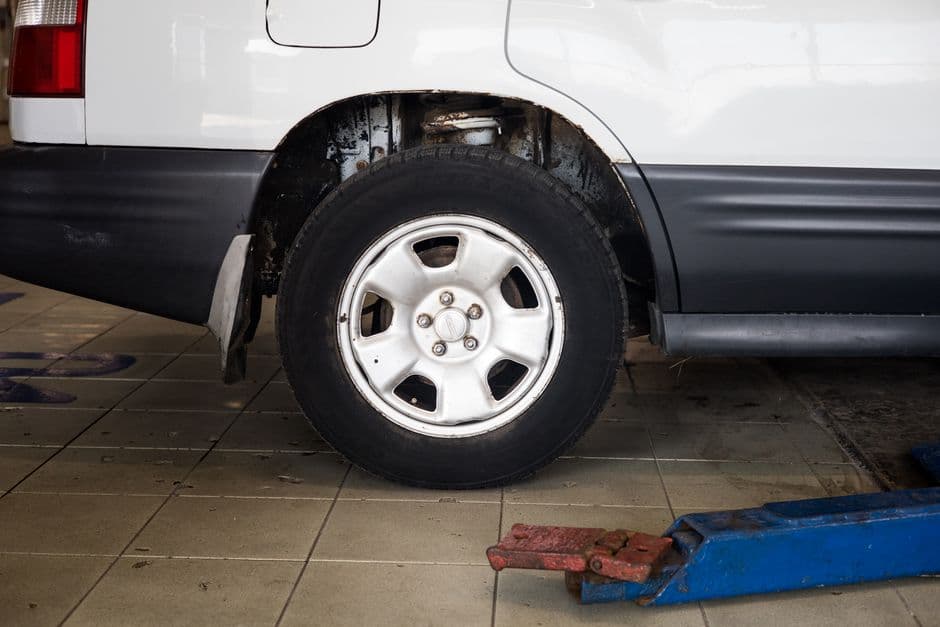
How often each service is actually needed
Most manufacturers and shops put alignment checks at roughly once a year or every 10,000 to 12,000 miles, whichever comes first, plus an extra check any time you hit a curb hard, replace tires, or do suspension work. Balancing rides along with tire rotation in most maintenance schedules, roughly every 5,000 to 6,000 miles, since that's already a wheels-off service.
Neither has to wait for a scheduled visit if symptoms show up sooner. Per Firestone's comparison of the two services, a fresh vibration or pull is always worth checking immediately rather than waiting for the next rotation, since driving on a real misalignment accelerates tire wear the whole time you put it off.
What camber, caster, and toe actually mean
An alignment adjusts three angles. Camber is how much a wheel tilts in or out when you look at the car head-on, caster is the forward or backward tilt of the steering axis that affects straight-line stability, and toe is whether the wheels point slightly toward or away from each other when viewed from above. All three get printed on the alignment printout as a before and after number against the manufacturer's spec range.
You don't need to memorize the specs, but a printout that shows toe or camber outside spec on one side only is a good clue that a bent component, not just normal wear, is behind the problem, and it's worth asking the shop directly rather than just approving the adjustment and moving on.
What alignment and balancing cost, and how long they take
A basic two-wheel alignment usually runs $50 to $100, and a full four-wheel alignment $100 to $200, taking about an hour either way. Balancing runs cheaper, typically $15 to $25 per tire, and is fast enough that most shops fold it into a tire rotation or new tire install without adding real time to the visit.
Both are worth paying for even when a shop offers a discount package, since a bad alignment quietly eats a set of tires years before it should, and unresolved vibration wears out suspension bushings that cost far more to replace than either service ever would.
Log alignment and balancing to catch a pattern early
A single alignment that keeps drifting out of spec every few months is a symptom, not a coincidence, usually pointing to a worn tie rod, bushing, or ball joint that a one-off adjustment can't fix. You only catch that pattern if you've got a record of every alignment and balance going back more than one visit.
Wheelscribe's features let you attach the alignment printout to the entry alongside the date and mileage, so the next time the car pulls to one side, you can see exactly how long ago it was last checked. It's free to start.
Frequently asked questions
What's the difference between wheel alignment and tire balancing?
Alignment adjusts the angles of your wheels and suspension so the car tracks straight and tires wear evenly. Balancing corrects uneven weight around a tire and wheel assembly so it doesn't vibrate at speed. They're different jobs that happen to often get done at the same visit.
How do I know if I need an alignment or a balance?
A car that pulls to one side or has uneven tire wear needs an alignment. A steering wheel or seat vibration that shows up in a specific speed range, often 50 to 70 mph, and fades when you slow down usually points to a balance issue instead.
How often should I get a wheel alignment?
Roughly once a year or every 10,000 to 12,000 miles, plus an extra check any time you hit a curb or pothole hard, replace tires, or have suspension work done. Don't wait for the scheduled interval if the car is already pulling.
How much does a wheel alignment cost?
A two-wheel alignment typically runs $50 to $100, and a four-wheel alignment $100 to $200, taking about an hour. Tire balancing is cheaper, usually $15 to $25 per tire, and is often bundled into a rotation or new tire installation.
Can bad alignment ruin my tires?
Yes, and faster than most people expect. A misaligned wheel scrubs the tire against the road at an angle instead of rolling flat, which wears down one edge of the tread well before the tire's normal service life is up.
Do new tires always need balancing?
Yes. Mounting a tire on a wheel changes exactly where weight sits around the rim, so a fresh set always needs balancing before it goes back on the car, even if the old tires were balanced fine.
Start logging your car's history
One car, unlimited entries, free forever. See pricing for what Pro adds.
Create free account