
Wheel Bearing Maintenance: Signs and Checks
A wheel bearing maintenance guide covering the noise and play that signal a bad bearing, how to check one at home, and realistic replacement intervals.
What a wheel bearing does and why it fails
A wheel bearing lets the wheel spin freely while carrying the full weight of that corner of the car, plus every bump and cornering load on top of it. Wheel bearing maintenance is mostly about catching failure early, because bearings themselves aren't adjustable or serviceable on most modern cars. They wear from age and mileage, but they also fail early from a torn seal letting water and road grit in, or from a hard hit on a pothole or curb.
That combination, gradual wear plus sudden damage, is why bearing failure doesn't follow a clean mileage schedule the way an oil change does. It's a component worth checking by ear and by feel rather than by the odometer alone.
The sound and feel of a bad wheel bearing
A failing bearing usually announces itself with a growling or humming noise that gets louder as speed increases, and often changes pitch or volume when you turn one direction versus the other, since turning shifts weight onto or off the bad side. That's the main thing that separates it from worn or unevenly rotated tires, which tend to roar at a steady pitch regardless of which way you're turning.
A steering wheel vibration that builds with speed, or a looseness felt through the wheel over bumps, points the same direction. None of these symptoms are subtle once they show up, which is the one bit of good news here.
How to check for a bad wheel bearing
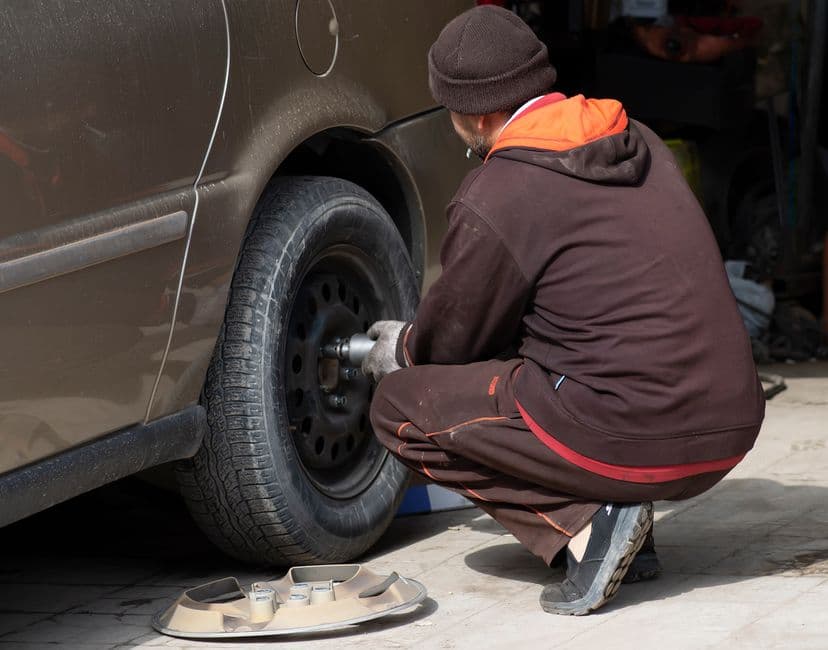
With the wheel off the ground, grab it at the 12 and 6 o'clock positions and rock it in and out. Any noticeable play, a knock or looseness that shouldn't be there, is a strong sign the bearing needs replacing. Spinning the wheel by hand and listening or feeling for grinding through the hub is the other half of the check.
Comparing side to side matters, since a little play can be normal on some designs and the only way to know is against the good side of the car. Timken, one of the larger bearing manufacturers, publishes the same rock-and-spin check as the standard field test, and it's one most people can do themselves even if they hand the actual replacement off to a shop.
Wheel bearing replacement interval and cost factors
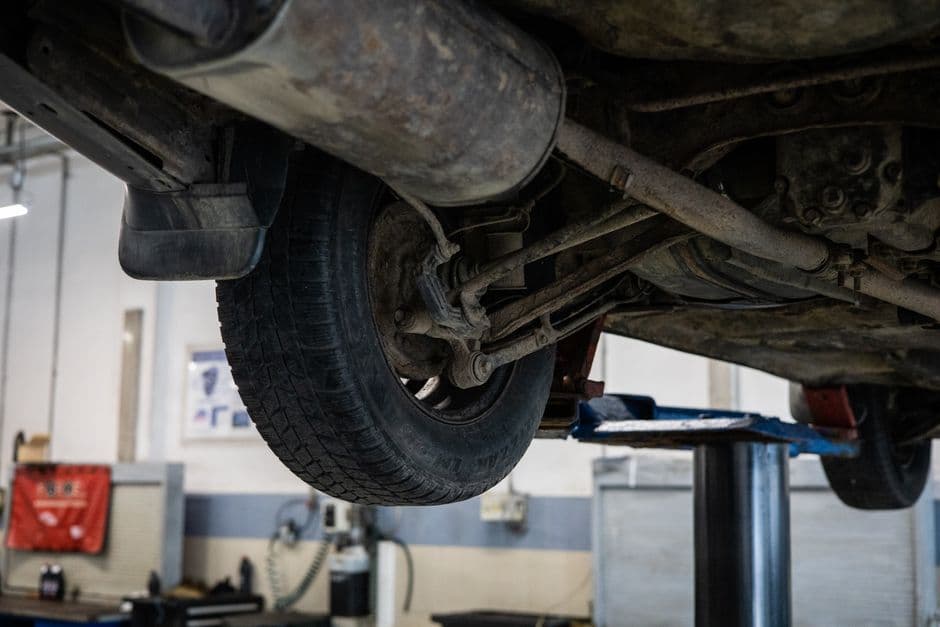
There's no fixed replacement interval. Most last somewhere past 85,000 to 100,000 miles under normal conditions, but potholed roads, heavy salt exposure, or regular water crossings on off-road driving all shorten that meaningfully.
Most cars built in the last couple decades use a sealed hub assembly, bearing, hub, and sometimes the ABS wheel speed sensor built as one unit, which simplifies the repair but raises the parts cost compared to older cars with a separately serviceable, greased bearing.
Don't ignore it, and log the fix
A neglected wheel bearing doesn't just get noisier, it can eventually seize or, in extreme cases, let the wheel separate from the hub entirely. That's rare, but it's the reason a growling wheel is worth addressing within days, not months.
Once it's replaced, note which corner (left front, right rear, and so on), the mileage, and whether the ABS sensor was integrated into the new part, since that saves the next person, possibly a future buyer, from re-diagnosing something you already solved. Wheelscribe's entry log keeps that detail attached to the car for good.
Frequently asked questions
What does a bad wheel bearing sound like?
A growling or humming noise that gets louder with speed and often changes when you turn one direction versus the other. That's the main thing that separates it from tire noise, which tends to stay steady regardless of turning direction.
How do I check if a wheel bearing is bad?
With the wheel off the ground, grab it at the 12 and 6 o'clock positions and rock it in and out, feeling for play or a knock. Spin it by hand and listen for grinding, and compare against the opposite side of the car.
How many miles do wheel bearings last?
Most clear 85,000 to 100,000 miles under normal driving, but there's no fixed interval. Potholes, curb impacts, heavy road salt, and regular water crossings can all shorten a bearing's life well below that.
Is it safe to drive with a bad wheel bearing?
Not for long. A growling or loose wheel bearing gets worse, not better, and in rare, badly neglected cases can lead to the wheel separating from the hub. Address it within days of noticing the symptoms rather than waiting.
Can I replace just the bearing, or does the whole hub need to go?
It depends on the car. Older vehicles often have a separately serviceable, greased bearing. Most cars from the last couple decades use a sealed hub assembly that bundles the bearing, hub, and sometimes the ABS sensor into one part.
Start logging your car's history
One car, unlimited entries, free forever. See pricing for what Pro adds.
Create free account