
Asian Car Maintenance Schedules by Brand
Subaru, Hyundai, Kia, Nissan, and Mazda service intervals in one Asian car maintenance schedule, covering oil, CVT fluid, and severe service timing.
The Asian car maintenance schedule, brand by brand
There is no single Asian car maintenance schedule, because the five big non-Toyota, non-Honda brands landed on different numbers. Subaru asks for oil every 6,000 miles or 6 months. Hyundai and Kia say 7,500 miles or 12 months on the normal schedule and 3,750 miles or 6 months on severe. Mazda runs 7,500 miles or 6 months normal, 5,000 miles or 4 months severe. Nissan splits the whole book into two schedules rather than two oil intervals.
The gaps matter more than they look. Follow a Hyundai interval on a Subaru and you are 1,500 miles late every single time, which is how a car with a full service history still ends up with a tired engine. Each brand also has one or two items that owners routinely skip and later regret.
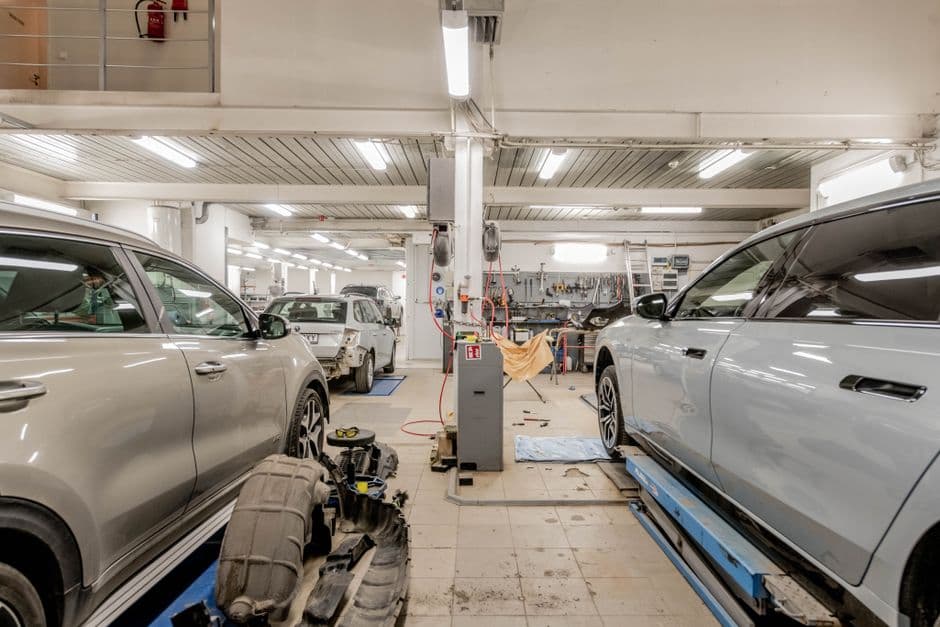
Subaru: 6,000 miles, and the all-wheel-drive extras
Most modern Subarus want synthetic oil every 6,000 miles or 6 months, whichever lands first. Turbo models and cars that tow, idle in traffic, or live on gravel get pushed toward the shorter end of that. The 6,000 mile number is the one people get wrong, usually because their last car was on a 7,500 or 10,000 mile clock and the habit carried over.
The boxer layout and standard all-wheel drive add items a front-drive sedan never has. Front and rear differential fluid, transfer case fluid on manual cars, and CVT fluid on the automatics all sit on the schedule and all get skipped. Tires are the sleeper issue too: Subaru wants matched circumference across all four, so replacing one worn tire on its own can cook a center differential.
Hyundai and Kia: 7,500 normal, 3,750 severe
Hyundai and Kia share engines, platforms, and very nearly the same maintenance book. Normal service is 7,500 miles or 12 months. Severe service is 3,750 miles or 6 months, and the severe definition is broad enough that most owners qualify: short trips, stop and go traffic, sustained heat, dusty or unpaved roads, hills, or a roof box on the highway all count.
Read that list honestly before deciding you are a normal-schedule driver. A commute that never gets the oil fully up to temperature is textbook severe duty. Both brands back long powertrain coverage for the original owner, and the way you keep it is by proving the schedule was followed. That means dated records with mileage on them, not a shoebox of receipts and a good memory.
Nissan: Schedule 1, Schedule 2, and CVT fluid
Nissan does not publish one schedule with a severe column. It publishes two whole schedules. Schedule 1 is the shorter, harder-duty book and Schedule 2 is the lighter one for mostly highway miles in mild conditions. Dealers default to Schedule 1, which is the safe read for most drivers even though it costs more over a decade.
The item worth arguing about is CVT fluid. Depending on model and schedule you will see anything from 30,000 miles to 60,000 miles, and some literature implies it never needs doing. Nissan CVTs have a long history of heat-related failures, so the 30,000 mile end of that range is cheap insurance next to a transmission. Log the date and mileage every time it is changed, because the next owner will ask and a replacement unit costs more than the car is often worth.
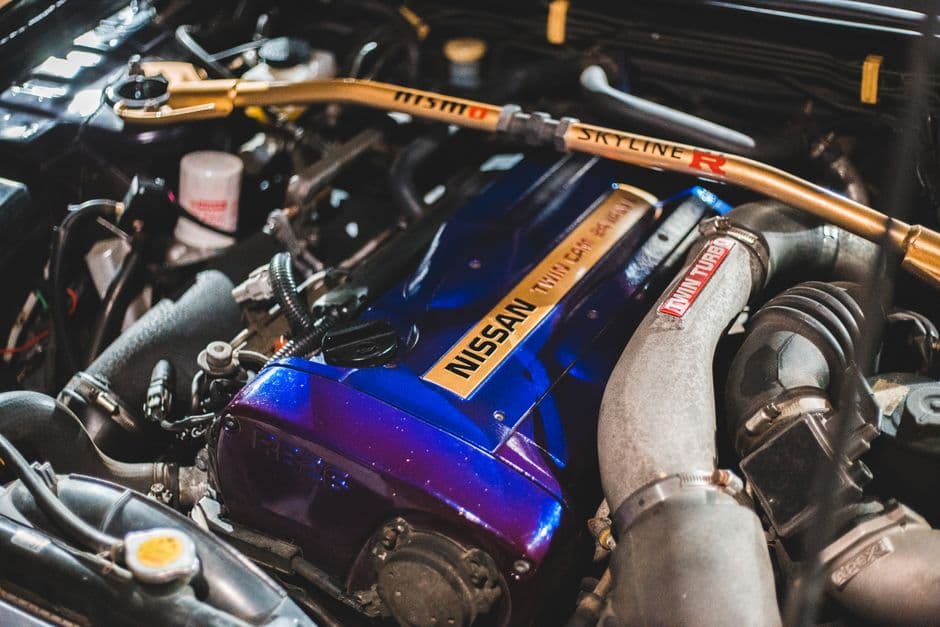
Mazda: flexible oil monitoring, or 7,500 miles
Mazda gives you a choice. The normal schedule is 7,500 miles or 6 months, severe is 5,000 miles or 4 months, and Skyactiv cars can instead run flexible monitoring, where the car watches how it is being driven and turns on a wrench light when the oil is due. Flexible mode caps out at 12 months or 7,500 miles regardless of what the algorithm thinks.
Flexible monitoring assumes the specified 0W-20 is what went in. Pour in a heavier oil to quiet a noise and the estimate is guessing. Mazda's other commonly skipped items are the cabin and engine air filters, which get gritty fast in dusty climates, and rear brake wear, which on several models outruns the fronts because of how the stability system uses them.
You can service it yourself and keep the warranty
None of these brands can void your warranty just because you or an independent shop did the routine work. Under the FTC rules interpreting the Magnuson-Moss Warranty Act, a manufacturer generally cannot tie warranty coverage to using its own service unless it provides that service free. What they can do is ask you to prove the schedule was followed, which puts the burden of proof on your records. It is also worth checking open recalls by VIN once a year, since recall work is free and easy to miss.
The same brand-family logic runs through our Toyota and Lexus schedule guide, the Honda maintenance minder breakdown, and the European brand schedules. If you want the generic version first, start with how often a car actually needs service.
Whichever brand you drive, Wheelscribe keeps the date, mileage, parts, and receipt for every service on the car it belongs to. That is the version of the record a warranty claim or a buyer will accept.
Frequently asked questions
How often should I change the oil in a Subaru?
Most modern Subarus call for synthetic oil every 6,000 miles or 6 months, whichever comes first. Turbocharged models and cars used for towing, short trips, or gravel roads should go shorter than that rather than stretching the interval.
What is the difference between Nissan Schedule 1 and Schedule 2?
Schedule 1 is Nissan's shorter, harder-duty maintenance book and Schedule 2 is the lighter one for mostly highway driving in mild conditions. Dealers usually default to Schedule 1, and it is the safer choice for stop-and-go commuting, towing, or hot climates.
Do Hyundai and Kia use the same maintenance schedule?
Effectively yes. The two brands share engines and platforms, and both run 7,500 miles or 12 months on the normal schedule and 3,750 miles or 6 months on severe. Always confirm against the booklet for your exact model year and engine.
How often should Nissan CVT fluid be changed?
Depending on the model and which schedule you follow, Nissan lists CVT fluid anywhere from 30,000 to 60,000 miles. Given how sensitive these transmissions are to heat, the 30,000 mile end is the safer target for city driving or towing.
Does servicing my own car void a Hyundai or Kia warranty?
No. Federal warranty rules stop a manufacturer from requiring dealer service for routine maintenance unless it is provided free. You do have to show the schedule was followed, so keep dated records with the mileage, parts used, and receipts attached.
Start logging your car's history
One car, unlimited entries, free forever. See pricing for what Pro adds.
Create free account