
Brake System Maintenance Guide
A complete brake system maintenance guide covering pads, rotors, calipers, fluid flush intervals, and the warning signs of failing brakes.
How your car's brake system works
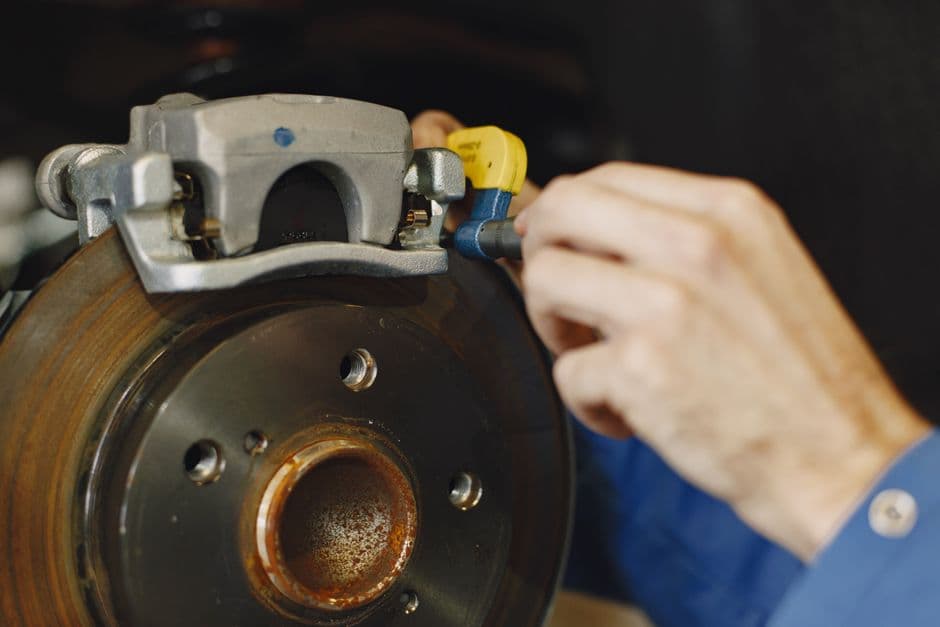
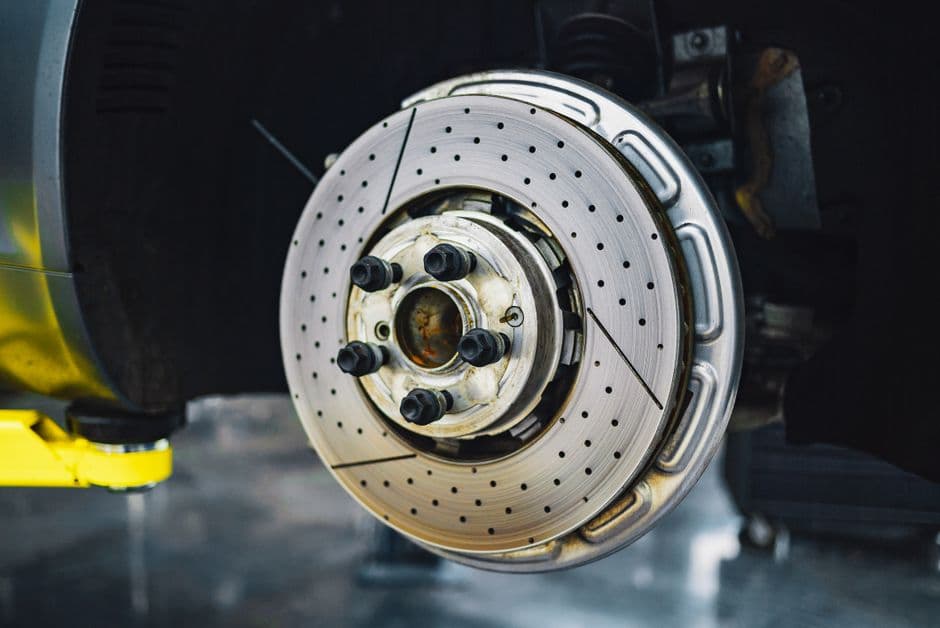
Brake system maintenance covers more than swapping pads when they squeal. A modern setup is a short chain of parts that only works if every link holds up: pads squeeze against a rotor, the rotor is bolted to the wheel hub, and a caliper (the housing that holds the pads) uses hydraulic pressure to clamp them together when you press the pedal, the same basic disc brake design used on nearly every car built in the last few decades. That pressure comes from brake fluid pushed through a network of steel lines and rubber hoses running from the master cylinder out to all four corners.
Each part wears or degrades on its own schedule. Pads wear fastest since they're designed to be the sacrificial part. Rotors wear slower but still thin over time. Fluid doesn't wear in a mechanical sense, it just absorbs moisture and gradually stops doing its job well. Treating the system as one unit, rather than only reacting when pads squeal, is what keeps stopping distances consistent and keeps a small fix from turning into a bigger repair bill.
Brake system maintenance intervals
Inspect your brakes at every oil change, or at least every six months, even if nothing feels wrong. A quick visual check catches thinning pads and scored rotors long before they turn into a grinding noise or a warning light. Pull each wheel, or at minimum look through the spokes with a flashlight, and check pad thickness, rotor surface condition, and whether the brake fluid in the reservoir sits near the max line and looks clear rather than dark.
Beyond the visual check, pay attention to how the pedal feels and how the car behaves under braking. A pedal that's gotten softer over the last few months, a faint pull to one side, or a low vibration under light braking are all worth investigating right away instead of waiting for the next scheduled service. Wheelscribe's mileage-based reminders can prompt the inspection automatically once you've logged the last one, so it isn't something you have to remember on your own.
Signs of failing brakes you shouldn't ignore
Grinding, pulsing, and a soft pedal are the signs worth stopping for instead of putting off. Grinding is metal on metal, usually the pad's backing plate against the rotor, and it means the friction material is completely gone. Pulsing or a vibration through the pedal under braking almost always points to a warped rotor, most often from heat buildup after a hard stop or a long descent. A soft or spongy pedal that sinks under steady pressure is a hydraulic issue: air or moisture in the lines, a failing master cylinder, or a leak somewhere in the system.
Pulling to one side under braking usually means a stuck caliper on the opposite side, one that isn't releasing fully and is dragging the pad against the rotor even when you're off the pedal. Squealing, unlike grinding, is often just the built-in wear indicator doing its job and doesn't always mean immediate danger, but it's your cue to check pad thickness soon. Any of these symptoms is worth acting on the same week you notice it, not the same season.
Why brake fluid needs a real flush, not a top-off
Brake fluid absorbs moisture from the air over time, a property called hygroscopy, and that moisture is the real reason it needs periodic replacement rather than just topping off the reservoir. As water content rises, the fluid's boiling point drops. Under hard or repeated braking, like descending a mountain grade or towing a trailer, that moisture can boil, turn to vapor, and create a spongy or fading pedal exactly when you need firm stopping power most. Most manufacturers call for a full flush every two to three years regardless of mileage, unlike most other fluids on the car that are tied to a mileage interval instead.
DOT 3, DOT 4, and DOT 5.1 are the common ratings, and they differ mainly in boiling point and how much moisture they can absorb before performance suffers. Stick with whatever your owner's manual specifies, and never substitute DOT 5, which is silicone-based and isn't compatible with the others. A flush replaces all the old fluid running through the system, not just what's visible in the reservoir, which is why it takes more than a quick top-off to actually fix fluid that's already degraded.
Brake lines and hoses: the part people forget
Brake lines carry fluid from the master cylinder to each wheel, split between rigid steel hard lines that run along the frame and short rubber flex hoses that handle the wheel's motion. Both fail differently, and both get overlooked because they're rarely part of a routine pad-and-rotor job. Steel lines corrode from the inside out or the outside in depending on climate, road salt being the usual culprit, and a corroded line can weep fluid slowly for months before it lets go all at once.
Rubber hoses crack and swell internally with age, and a hose that's ballooning under pressure can trap fluid in the caliper even after you release the pedal, which shows up as a dragging brake and a hot wheel after a drive. Neither problem announces itself the way a squealing pad does, so lines and hoses are worth a specific look during any brake inspection, not just an afterthought once the pads are off.
DIY vs. shop: what's reasonable to tackle yourself
Pad and rotor replacement is one of the more approachable DIY jobs on a car, needing a jack, stands, a C-clamp or caliper tool to retract the piston, and basic hand tools. The right toolkit is the difference between an easy afternoon and a frustrating one. Bleeding a caliper after a pad job, or after opening any part of the hydraulic system, is also doable at home with a helper or a one-person bleeder kit, though it takes patience to get all the air out.
Where it's worth paying a shop: a caliper that's seized or leaking, since rebuilding one right takes special tools and experience, a car with an anti-lock system that needs a scan tool to bleed correctly, or rotors warped enough to need machining or replacement on a car you're not comfortable jacking up safely. There's no shame in doing the inspection yourself and handing off the repair. Knowing which category a given brake job falls into is most of the battle.
Logging brake work so you actually know when it's due
A brake job is easy to remember the week you do it and easy to forget three years later, which is exactly the gap that causes fluid flushes and pad replacements to slip past their interval. Logging the date, mileage, and parts used each time turns “I think I did the brakes a while back” into an actual answer. It also builds the maintenance history a future buyer wants to see, since a documented maintenance record is one of the easier ways to support your asking price.
For a deeper look at everyday checks like brake pad thickness alongside tire rotation and fluid levels, our tire rotation and fluid check guide covers the routine side of the same wheels-off inspection. Wheelscribe keeps both sides connected, so a brake job you log once becomes the record you, or the next owner, can point to years later.
Frequently asked questions
How often should I flush my brake fluid?
Most manufacturers call for a full brake fluid flush every two to three years, regardless of mileage, since the fluid absorbs moisture from the air over time. Check your owner's manual for the exact interval, and don't rely on the fluid looking clean, since moisture contamination isn't visible.
How do I know if my brake pads need replacing?
Look at the pad through the wheel spokes with a flashlight. If the friction material looks close to the wear indicator or the backing plate, it's time for new pads. A squeal from the built-in wear tab is your early warning, and grinding means the pad is already gone.
Can I replace brake pads and rotors myself?
Yes, for most cars this is one of the more approachable DIY jobs, needing a jack, stands, a C-clamp or caliper tool, and basic hand tools. Bleeding the system afterward, if you opened a caliper, is also doable at home, though it takes patience to get all the air out.
Why does my brake pedal feel soft or spongy?
A soft pedal usually means air or moisture has gotten into the hydraulic system, often through old, moisture-saturated brake fluid or a small leak somewhere in the lines. It can also point to a failing master cylinder. Either way, it's worth addressing before you drive the car much further.
What's the difference between brake pads and rotors?
Pads are the replaceable friction material that clamps onto the rotor to slow the wheel, and rotors are the metal discs the pads squeeze against. Pads wear out on a predictable schedule, while rotors last longer but can warp from heat or wear thin enough to need replacing at the same time.
Is a grinding noise when braking always the brake pads?
Grinding is usually the pad's backing plate contacting the rotor because the friction material is completely worn away, but it can also come from a stuck caliper or debris caught behind the rotor. Either way, grinding means you should stop driving on it and inspect the brakes as soon as possible.
Start logging your car's history
One car, unlimited entries, free forever. See pricing for what Pro adds.
Create free account