
Car Interior Upgrades: Lighting, Seats & Trim
Car interior upgrades that are worth the money: ambient lighting, seat upgrades and reupholstering, trim and pedal swaps, and what to document as you go.
The cabin is where you actually live
Car interior upgrades get less attention than a new exhaust or a wheel swap, but it's the part of the car you interact with every single drive. Where our beginner car upgrades guide covers which mods to tackle first across the whole car, this one goes deep on the cabin specifically: ambient lighting, seat upgrades, and the small trim swaps that change how a car feels to sit in without touching anything under the hood.
What sets interior work apart from exterior mods is reversibility. Most of what's below bolts, clips, or plugs in without permanently altering factory parts, which matters if resale value or a return to stock is ever on your mind.
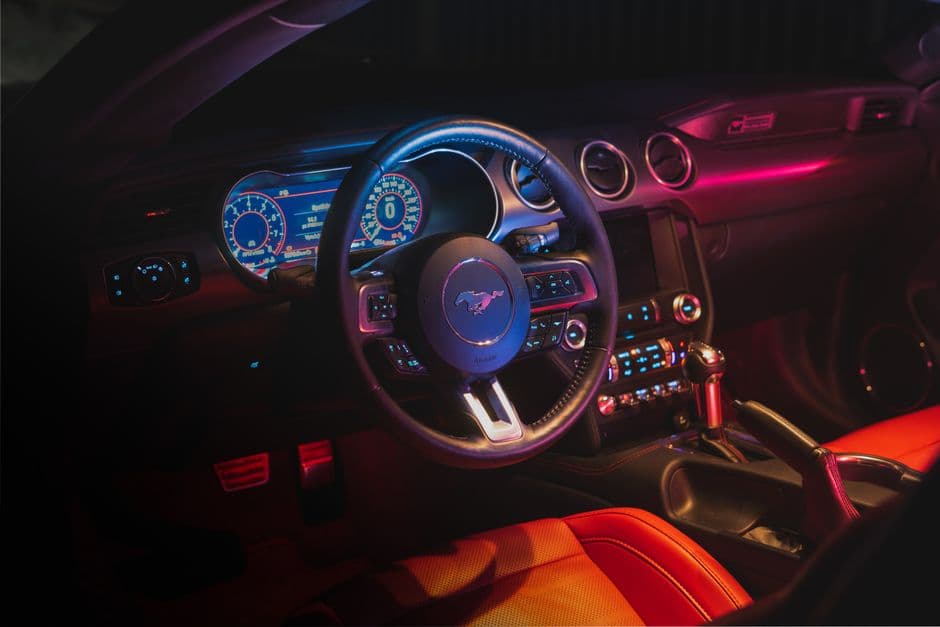
Ambient lighting: the easiest upgrade in this whole guide
A quality LED ambient lighting kit runs $30 to $150 depending on how many zones it covers, and most tuck behind trim panels with adhesive backing and tap into an existing accessory circuit rather than requiring a splice into the factory harness. Budget an afternoon for a full-cabin kit, or under an hour for a footwell-only strip.
Wire it to the accessory or ignition circuit, not a constant 12-volt source, or you will find a dead battery some cold morning after it quietly drained overnight. If your car's stereo has already been touched, check our car stereo upgrade guide first, since the two jobs often share the same fuse tap and it's easier to plan both wiring runs at once than to redo one later.
Seat upgrades: covers, reupholstering, and full swaps
Seat covers are the low-commitment option at $100 to $300, protecting worn factory upholstery or changing the look without any permanent work. A full reupholster is the middle tier: $500 to $1,500 for cloth-to-cloth at a local shop, climbing to $2,000 to $4,000 or more for leather or custom stitching patterns.
Swapping in aftermarket bucket or sport seats entirely is the most involved version, often needing mounting brackets specific to your chassis and a check on whether the replacement seats retain functioning airbags and seatbelt pretensioners. NHTSA's restraint system guidance is a good starting point on why that's not a detail to guess on. Confirm compatibility with the seat manufacturer before you buy, not after they're bolted in.
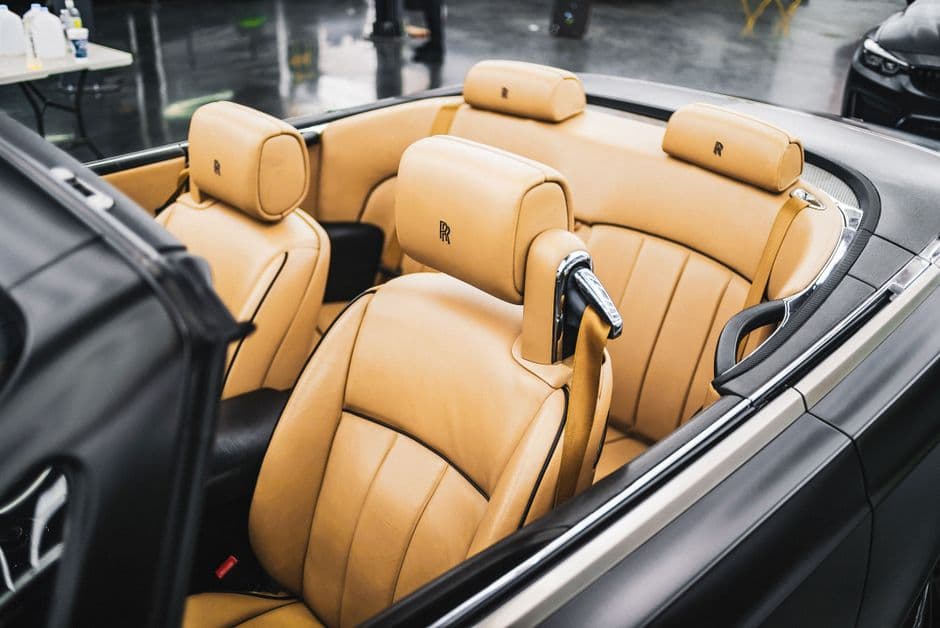
Small trim swaps that punch above their cost
A shift knob, steering wheel cover, or set of aftermarket pedal covers each run $15 to $60 and install in minutes with no tools beyond an Allen key or a bit of firm pressure. These are the upgrades worth doing first if you're not sure interior mods are for you, since the cost of getting one wrong is a returned $20 part instead of a redo on a full reupholster.
Carbon fiber vinyl wrap on interior trim pieces, dash bezels, door handles, the shifter surround, sits in the same low-risk category. It's removable, cheap per panel at $10 to $20 in material, and forgiving of a first attempt since a bad wrap job just gets peeled off and redone.
Document it the way you would any other mod
Interior upgrades don't come with a warning light or a maintenance interval the way a fluid change does, so they're easy to forget you ever did once the novelty wears off. That matters for warranty questions later. Under the Magnuson-Moss Warranty Act, a dealer has to prove a specific modification caused the failure they're denying, and dated receipts and install photos are exactly what makes that case for you instead of against you.
Our build log guide covers what to record for every mod, interior or otherwise. Wheelscribe's car log keeps that history alongside your regular maintenance so the whole story of the car lives in one place, free to start with your first vehicle.
Frequently asked questions
What are the best car interior upgrades for beginners?
Ambient LED lighting kits and aftermarket pedal covers are the easiest entry points, both plug-and-play or bolt-on with no wiring splices or upholstery work required. A steering wheel cover or shift knob swap is even simpler if you want to start smaller.
How much does it cost to reupholster car seats?
A basic cloth-to-cloth reupholster job for a full interior runs $500 to $1,500 at a local shop, while premium leather or custom stitching pushes that to $2,000 to $4,000 or more. Seat covers are a cheaper alternative at $100 to $300 if you're not ready for a full reupholster.
Does ambient lighting drain the car battery?
Not meaningfully if it's wired correctly. A quality kit draws power only when the ignition or accessory circuit is on, similar to your dome light. Wiring it directly to a constant 12-volt source instead is the mistake that causes a drained battery overnight.
Will interior upgrades void my car's warranty?
Rarely on their own. A manufacturer has to show a specific modification caused the failure they're denying under the Magnuson-Moss Warranty Act, and a lighting kit or seat cover almost never touches anything a powertrain claim would hinge on. Wiring work that taps into the factory harness carries more risk than a bolt-on accessory.
Are custom interior upgrades worth it for resale value?
It depends on the upgrade and the buyer pool. Tasteful, reversible changes like seat covers or trim accents rarely hurt resale and can help; permanent changes like a full reupholster in an unusual color or aggressive custom stitching can actually narrow your buyer pool, since taste is subjective and not every buyer wants someone else's interior choices.
Start logging your car's history
One car, unlimited entries, free forever. See pricing for what Pro adds.
Create free account