
DIY vs Shop Car Maintenance Cost
DIY vs shop car maintenance cost compared by job: oil changes, filters, fluids, and brakes, plus when paying a shop is actually the smarter call.
DIY vs. shop car maintenance cost, in plain numbers
The DIY vs shop car maintenance cost question almost always comes down to one thing: labor. Parts cost about the same whether you buy them yourself or a shop orders them for you (sometimes the shop pays less, buying in bulk). What changes is whether you're paying someone else's hourly rate for the time the job takes, and right now a typical independent shop bills somewhere around $120 to $160 an hour for that time. Dealerships run higher.
That single number is why a ten-minute cabin air filter swap can cost more at the counter than the filter itself. I've been handed a bill like that more than once and it still stings a little, even knowing exactly why it happened. DIY doesn't erase that hourly rate, it just means you're the one working for free. Whether the trade is worth it depends on the job, and that's the part worth actually breaking down instead of guessing at.
Labor savings by job type
Not every job saves the same amount, because labor time and parts markup don't scale together. A rough sense of where the savings actually live:
- Oil changes often carry the smallest DIY discount in percentage terms. Shops frequently price them near cost as a loss leader to get your car on the lift, so you're mostly saving the markup on oil and the filter, not much labor.
- Filters (engine air, cabin air) are close to pure labor markup for a job that takes a few minutes with no tools beyond your hands. This is where the savings-to-effort ratio is best.
- Fluids (coolant, brake fluid, transmission fluid) land in the middle. Parts cost more than an oil change and the labor is longer, so the dollar savings are real, but so is the mess and the need to dispose of old fluid properly.
- Brakes (pads and rotors) usually save the most in raw dollars, since shop labor time is highest here. It's also the job where getting it wrong matters most, which is worth weighing against the number.
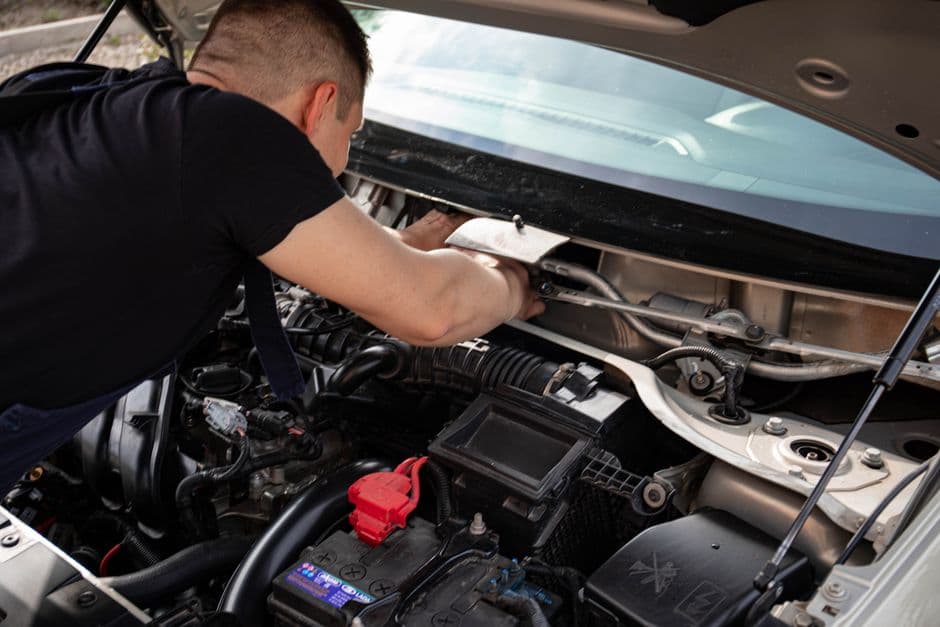
Why the labor line is the whole story
According to AAA's breakdown of repair labor rates, independent shops nationally cluster in the $120 to $160 per hour range, with dealerships typically running $20 to $40 higher. That rate applies whether the technician is swapping a five-dollar filter or a hundred-dollar part, which is exactly why simple, fast jobs feel disproportionately expensive at a shop and why they're the easiest place to start if you're DIY-curious.
It also explains why two shops can quote wildly different prices for the same oil change: the parts are nearly identical, the labor rate isn't. Knowing that number for your area is worth more than any single job's price tag, since it tells you what every future quote is actually built on.
When DIY isn't worth it
DIY stops making sense the moment the tool cost, the risk, or the paperwork outweighs the labor you'd save. Three situations come up most:
- Specialty tools. Alignments, AC refrigerant recovery, and transmission fluid exchanges need equipment that costs more than years of shop visits would. There's no discount left once the tool costs more than the job ever will.
- Warranty-sensitive work. If your car is still under factory or powertrain warranty, a botched DIY job (or even a properly done one without documentation) can complicate a future claim. We've covered whether DIY maintenance actually voids your warranty in detail, since the real rule is narrower than most owners assume, but it still means keeping receipts and, sometimes, using a certified shop for specific services.
- Safety-critical jobs done under time pressure. A basic pad swap is within reach for most DIYers. Brake line work, ABS bleeding that needs a scan tool, or anything you're rushing to finish before a trip is where a shop's time and training earns its rate.
The real DIY cost floor: tools and mistakes
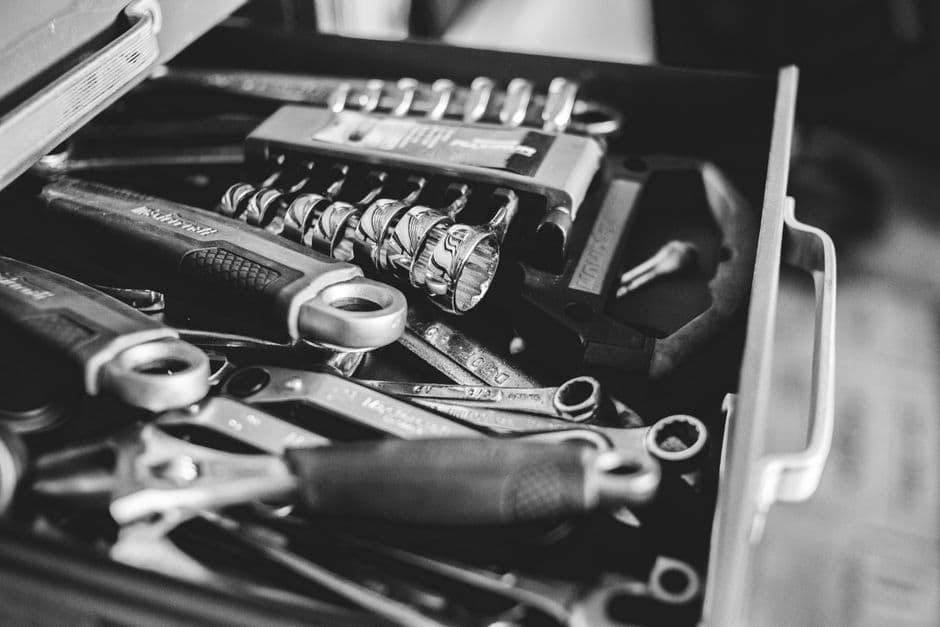
DIY savings aren't free. A basic kit (jack stands, a torque wrench, a decent socket set, an oil pan) is a real upfront cost, though it's a one-time one that pays for itself after two or three jobs on most vehicles. See our guide to the tools worth owning before you buy anything you won't use again.
The bigger hidden cost is a mistake: a cross-threaded drain plug, an over-tightened lug nut, brake fluid that ate paint off the fender. None of these are common if you're careful and follow the torque spec, but they're the reason the DIY discount isn't automatic. Consumer Reports' maintenance guide draws a similar line: straightforward, no-tool jobs are fair game at home, while anything touching diagnostics or braking systems benefits from a trained set of hands. Start with the low-risk jobs (filters, fluids, an oil change) before working up to brakes, and the odds stay in your favor.
A quick way to gut-check any job
Before you decide, run the job through three questions instead of just comparing the quote to the parts price. First, do you already own the tools, or would you need to buy something you'll only use once? Second, if this goes wrong, is the fix another few dollars in parts, or a tow truck? Third, is the car still under a warranty where the paperwork matters as much as the wrench work?
A filter or fluid job clears all three easily: cheap tools, low risk, no warranty exposure. Brakes clear the first question for most owners but deserve real thought on the second. Anything that fails all three, like an AC recharge on a car with an active factory warranty, isn't really a cost decision anymore. It's just a job for the shop.
How tracking your work shows the savings for real
Here's the part most DIY-vs-shop comparisons skip: a single job's savings is a guess unless you're actually recording what you spend. A quick note after every oil change or brake job, parts cost, date, mileage, turns a vague feeling of “I'm probably saving money” into an actual number you can look back on a year later. That's the gap a digital service record closes: it holds every DIY job and every shop invoice side by side, so your real per-car spend is visible instead of scattered across old texts and a shoebox of receipts.
It pays off twice. Day to day, you can see exactly which jobs are worth your time against a shop quote. Down the line, that same log becomes proof of care when you sell, which is worth something a spreadsheet buried on your laptop isn't. Wheelscribe's maintenance tracking is built for exactly this, logging DIY and shop work the same way so the comparison is always one tap away. Check the plans if you want to start tracking your own numbers instead of trusting someone else's average.
Frequently asked questions
Is DIY car maintenance actually cheaper than a shop?
Usually, yes, because you're skipping the shop's hourly labor rate, which is often the bulk of the bill. The savings vary a lot by job though: quick, simple tasks like filters save the most relative to effort, while an oil change often saves less since many shops price them near cost.
How much do you save doing an oil change yourself vs a shop?
Less than most other DIY jobs, percentage-wise. Shops often treat oil changes as a low-margin service to get your car in the door, so you're mainly saving the markup on oil and the filter rather than a large labor fee.
What car maintenance should you never DIY?
Anything that needs equipment you'd never use again, like an alignment machine or AC recharge station, and anything safety-critical you're not confident doing carefully, like brake line work or ABS bleeding. Basic pad swaps and fluid top-offs are usually fine at home if you go slow.
Do shops charge more for labor than parts?
Often, yes, especially on simple jobs. Independent shop labor rates commonly run in the $120 to $160 per hour range nationally, and that rate applies whether the part being installed costs five dollars or a hundred, which is why quick jobs can feel disproportionately expensive.
Does DIY maintenance void your car's warranty?
Not automatically. Automakers generally can't void a warranty just because you did the work yourself, as long as the job was done correctly with the right parts and you can show it happened. Keeping receipts and dated records matters more than who turned the wrench.
What tools do I need to start DIY car maintenance?
A basic setup covers most routine jobs: jack stands, a torque wrench, a socket set, and an oil drain pan. It's a one-time cost that typically pays for itself within two or three jobs, and it's worth buying before tackling anything more involved than a filter swap.
How do I know how much money DIY maintenance is actually saving me?
Track it. A single job's savings is a guess unless you log what you spend on parts and compare it against what a shop would have charged for the same work. Over a year, that record turns a vague sense of saving money into a real number tied to your specific car.
Start logging your car's history
One car, unlimited entries, free forever. See pricing for what Pro adds.
Create free account