
Exhaust System Maintenance Guide
How to check your muffler, catalytic converter, and exhaust pipes for rust, leaks, and worn hangers. A practical exhaust system maintenance guide.
What exhaust system maintenance actually covers
Exhaust system maintenance rarely gets attention until something rattles, smells off, or fails an inspection, but the system is working every second the engine runs. Hot gases leave the cylinders through the exhaust manifold, pass through the catalytic converter where harmful compounds get converted into less harmful ones, then run through a resonator and muffler that cancel out most of the noise before the gas exits the tailpipe. Rubber-isolated hangers hold the whole assembly against the underbody so it doesn't bang around over bumps.
None of that is glamorous, which is exactly why the exhaust system gets ignored until a leak, a rusted-through pipe, or a dragging muffler forces the issue. A little routine attention, mostly just looking underneath the car a couple of times a year, catches most problems while they're still cheap to deal with.
Signs your exhaust system needs a look
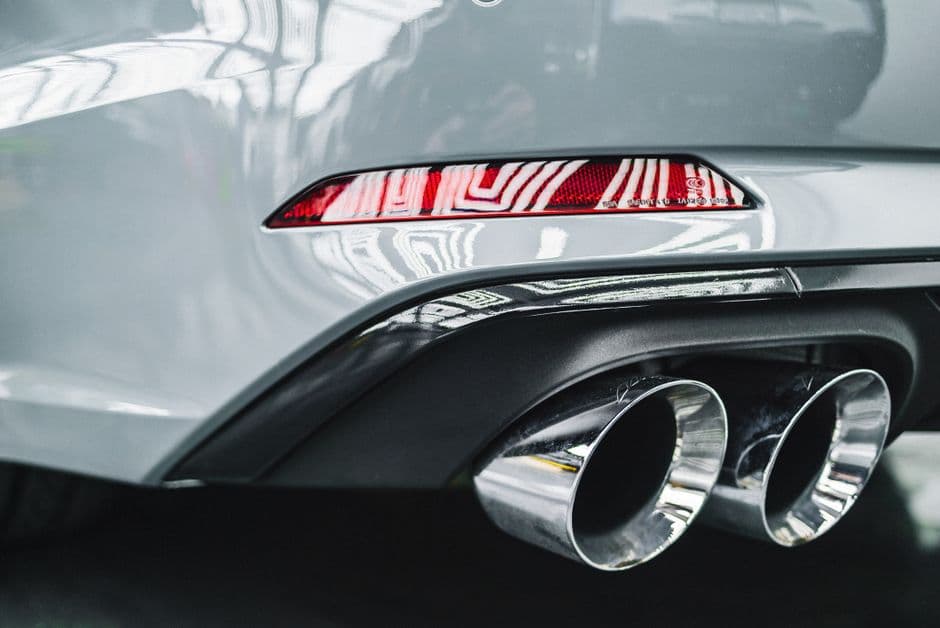
A louder or rougher exhaust note is usually the first clue, followed by rattling over bumps, a whistle or hiss at idle, or an exhaust smell that shouldn't be reaching the cabin. Any of those point to a leak, a broken hanger, or a heat shield that's come loose, and none of them fix themselves with time.
A ticking noise right after cold start that fades as the engine warms up often points to a small leak at the exhaust manifold gasket, since the metal expands and seals tighter once it's hot. Our car maintenance checklist is a good place to build in a quick look underneath the car alongside your regular fluid checks, since exhaust problems are easy to spot early but easy to miss if you're not looking.
Rust and corrosion: the exhaust system's biggest enemy
Exhaust pipes rust from the inside out before they rust from the outside in. Every time the engine cools, water vapor from combustion condenses inside the pipe, and on cars that mostly do short trips, that moisture never gets hot enough to fully evaporate before the next cold start. Over years, that cycle eats through the metal from the inside, which is why a pipe can look fine on the outside and still be thin enough to punch a hole in.
Road salt attacks from the outside in the same way, which is why exhaust systems fail faster in states that salt winter roads than in dry climates. Stainless steel systems resist both processes far longer than the mild steel most factory systems use, but even stainless eventually shows surface corrosion at welds and joints. Catching it early, alongside the kind of routine underbody checks covered in our preventive maintenance guide, is usually the difference between a patch and a full pipe replacement.
Catalytic converter care and emissions testing
The catalytic converter's job is to convert pollutants like carbon monoxide and unburned hydrocarbons into less harmful gases before they leave the tailpipe, using a chemical reaction inside a honeycomb-shaped core. It doesn't need scheduled maintenance on its own, but it's sensitive to what happens upstream: a fouled spark plug or a rich-running engine can dump raw fuel into the converter and cook it well before its time. Once that honeycomb core cracks or melts, there's no cleaning it back to health, only replacing it.
A converter that's failing often sounds like loose gravel shaking inside a can (a cracked internal honeycomb), smells like sulfur, or trips a check engine light with a P0420-range code. The EPA's vehicle emissions resources explain why the converter matters for air quality and why most states require it to be present and functional to pass an emissions test.
Muffler, resonator, and hanger maintenance
The muffler and resonator quiet the exhaust note using internal chambers and baffles that cancel out sound waves rather than blocking the gas flow, and both take a beating from the same heat cycling and moisture that rusts the pipes. Rubber exhaust hangers are the other overlooked part: small brackets that isolate the system from the frame so engine vibration doesn't transfer into the cabin.
Those rubber hangers dry out and crack after years of heat exposure, and once one lets go, the extra weight and movement stresses the rest of the system, sometimes cracking a pipe that was otherwise fine. Replacing a cracked hanger costs very little and takes minutes; catching it before it fails is exactly the kind of small job that fits into a broader maintenance schedule instead of a surprise repair.
Exhaust leaks: why they're more than a noise problem
An exhaust leak matters for more than volume, because it means gas, including carbon monoxide, is escaping somewhere before it reaches the tailpipe. A leak at the manifold or a cracked flex joint in the exhaust system close to the firewall is the scenario worth taking seriously, since fumes can find their way toward the cabin instead of venting harmlessly under the car.
Common leak points are the manifold gasket, the flex pipe, seams on the muffler or resonator, and welds on or around the catalytic converter. A quick way to check is to listen at idle with the hood up for a hiss or tick, and to look underneath for dark soot streaks around joints, which usually mark exactly where a leak is escaping. Neither check takes more than a couple of minutes.
Logging exhaust inspections so nothing sneaks past you
Exhaust wear is gradual and mostly out of sight, so it's an easy system to lose track of compared to something like an oil change with a sticker reminding you. Logging each underbody check, along with any hanger, pipe, or converter work, means you can spot a pattern (a hanger that keeps failing in the same spot, say) instead of treating every repair as a one-off surprise. It also gives you something concrete to hand a mechanic if you ever do need a second opinion on a leak or a rattle.
Wheelscribe's entry log keeps the inspection date, mileage, and any parts replaced attached to the car's history, so the next issue is easier to diagnose against what's already been done. It's free to start with one car if you want a running record of what's happened underneath it, hangers and all.
Frequently asked questions
How often should I have my exhaust system inspected?
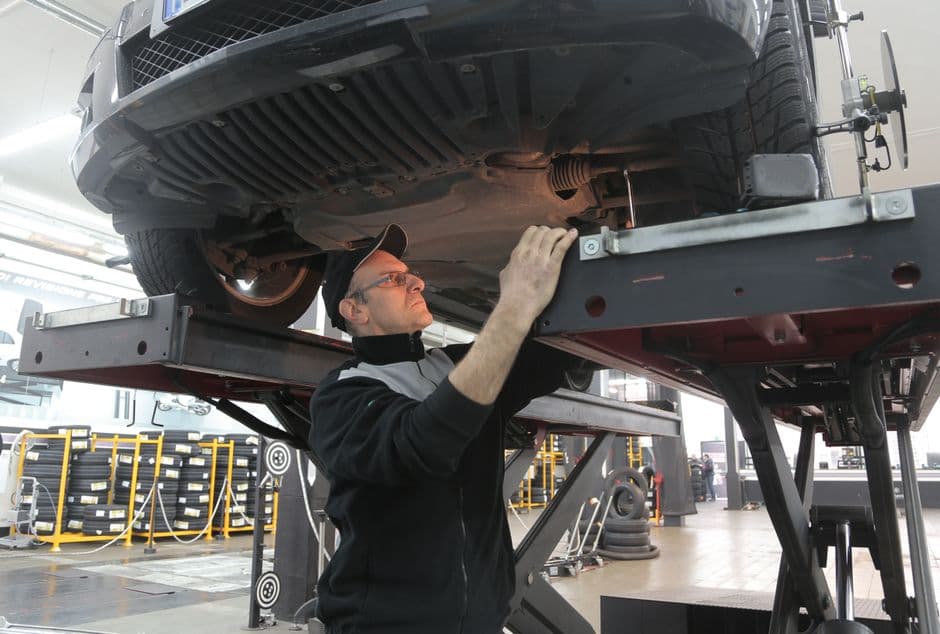
A visual check underneath the car once or twice a year, or anytime you're already up on a lift for an oil change, catches most rust, leaks, and worn hangers early. Cars in states that salt winter roads benefit from checking more often, since corrosion moves faster there.
What does a failing catalytic converter sound and smell like?
A cracked internal honeycomb often sounds like loose gravel rattling inside a can, especially on acceleration. A rotten egg or sulfur smell and a check engine light with a P0420-range code are the other common signs.
Why does my exhaust pipe rust from the inside?
Combustion produces water vapor that condenses inside the pipe every time the engine cools. On cars that mostly make short trips, that moisture never gets hot enough to fully evaporate, so it slowly corrodes the metal from the inside over years.
Is it safe to drive with an exhaust leak?
A leak far from the cabin is mostly a noise and efficiency issue, but a leak near the manifold or a joint close to the firewall can let exhaust gases, including carbon monoxide, work their way toward the cabin. It's worth having checked rather than ignored.
How long does a muffler typically last?
Most factory mufflers last somewhere in the range of 6 to 10 years, depending on climate, road salt exposure, and how many short trips versus highway miles the car sees. Stainless steel systems generally last longer than mild steel ones.
What causes a rattling noise under the car?
A loose heat shield or a cracked, dried-out exhaust hanger are the two most common causes. Both are inexpensive to fix and worth addressing quickly, since a hanger that fails can put extra stress on the rest of the exhaust system.
Start logging your car's history
One car, unlimited entries, free forever. See pricing for what Pro adds.
Create free account