
Car Maintenance Before a Road Trip
A road trip car maintenance checklist: what to check two weeks out, the day before, and on the road, plus what to pack and what to log along the way.
The short version of road trip car maintenance
Car maintenance before a road trip comes down to tires, fluids, brakes, battery, and visibility, checked far enough ahead that you can still fix what you find. Two weeks of lead time is the difference between booking a repair and standing on a shoulder at dusk waiting for a flatbed. Almost every roadside breakdown starts as something that was already visible in a driveway.
- Two weeks out: tires, brakes, fluids, battery test, any overdue service.
- One week out: wipers, lights, cabin filter, spare tire and jack.
- Day before: pressures cold, oil level, coolant level, washer fluid, phone mounts.
- On the road: check pressures and fluids each morning on long legs.

Tires, because that is what actually strands people
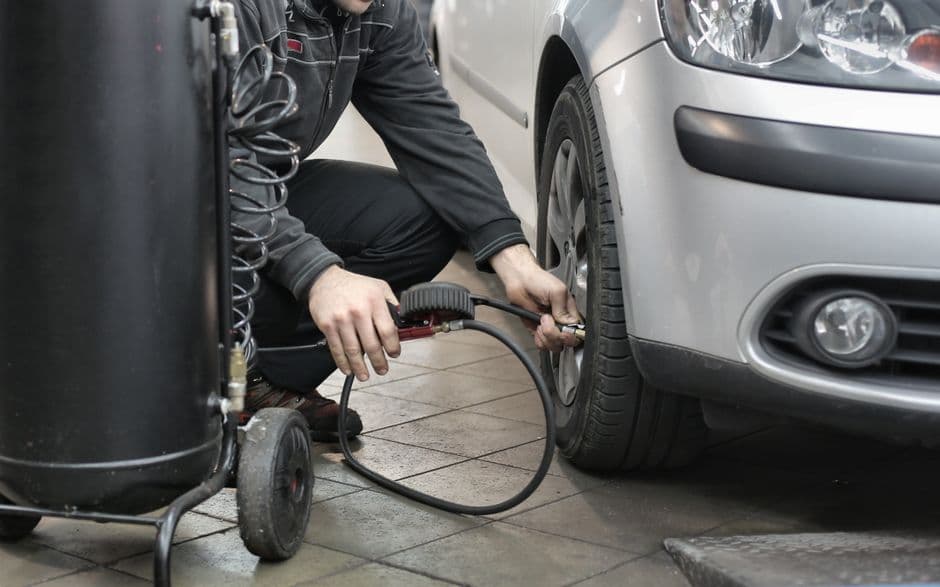
Set pressure cold to the number on the driver door jamb sticker, not the sidewall, and do it before you drive rather than at a gas station twenty miles in. Heat from driving adds a few PSI and hides an underinflated tire. If the car will be loaded with people and luggage, use the higher loaded figure the sticker often lists.
Then look at the tires properly. Tread below about 4/32 of an inch is marginal for wet highway driving, uneven wear points at alignment or suspension problems that a thousand miles will make worse, and cracked sidewalls mean the tire is aging out. NHTSA publishes the tread and pressure basics. Confirm the spare holds air and that the jack and wheel lock key are actually in the car, since the moment you need them is a poor time to find out.
Fluids and filters worth checking before you leave
If an oil change falls inside the trip mileage, do it before you go rather than hunting for a shop in a town you have never been to. Our oil change walkthrough covers doing it yourself in an afternoon. Check coolant at the reservoir when the engine is cold, top up washer fluid to full, and look at brake fluid level and colour while the hood is open.
Two easy wins get skipped constantly. New wiper blades cost little and matter enormously in a thunderstorm at highway speed, and a fresh cabin air filter makes a long drive with the air conditioning on far less stuffy. Both take minutes in a parking lot with no tools beyond your hands.
Brakes, battery, and cooling under summer load
Mountain passes and long descents ask more of brakes than commuting ever does. Listen for grinding, feel for pulsing through the pedal, and have the pads measured if you cannot remember the last time anyone looked. Fully loaded, a car stops noticeably longer than it does empty, which is worth remembering for following distance too.
Heat kills batteries faster than cold does, and a battery over three years old is a reasonable candidate for a free load test at a parts store. Clean the terminals while you are there. Keep jumper cables or a lithium jump pack in the trunk, and if you have never used one, our guide to jump starting a car takes five minutes to read now and saves an hour later. Cooling system condition matters just as much: a marginal radiator or a tired thermostat behaves fine around town and overheats towing a loaded car up a grade in August.
What to pack, beyond the maintenance
Keep the kit small and useful: tire pressure gauge, portable inflator or plug kit, jump pack, flashlight, gloves, basic sockets and screwdrivers, duct tape, a quart of the oil your engine takes, a gallon of coolant, water, and a first aid kit. Add a paper map or offline maps if the route crosses long stretches without signal.
Also handle the boring paperwork. Confirm registration and insurance are current and in the glovebox, know whether your roadside assistance is through insurance, a credit card, or a club, and save that number in your phone. The Department of Energy's driving tips are worth a skim if fuel budget is part of the planning, since steady speeds and correct tire pressure genuinely move the number.
Log the trip, not just the prep
A long trip can add a service interval in a week, so record the odometer before you leave and after you get back. That single pair of numbers tells you whether the next oil change, tire rotation, and brake inspection just moved up by months. It also gives you fuel and mileage data if anything felt off on the way home.
Wheelscribe keeps pre trip work and anything that happened on the road in one timeline per car, alongside the rest of your maintenance checklist. If a shop 700 miles from home replaced a belt, the receipt lives with the car's history rather than in a door pocket. See how entries and photos work or start on the free plan before the next trip.
Frequently asked questions
What car maintenance should I do before a road trip?
Check tires and pressures, brakes, engine oil, coolant, brake fluid, washer fluid, battery, lights, and wipers. Do the inspection about two weeks out so there is time to fix anything you find, then recheck pressures and fluid levels the day before you leave.
How far ahead should I service my car before a trip?
Two weeks is a good target. That leaves room to order parts or book a shop if the inspection turns up worn brakes or a tire that needs replacing. Doing the check the night before mostly guarantees you either ignore a problem or leave late.
Should I change my oil before a long road trip?
If the trip mileage would push you past the due interval, change it before you leave. It is cheaper and less stressful than finding a shop mid trip, and starting with fresh oil gives you margin if the route turns out to be hotter or hillier than planned.
What tire pressure should I use for a loaded car?
Use the loaded or full-capacity figure on the driver door jamb sticker if one is listed, and set pressures cold before driving. Extra passengers and luggage add real weight, and underinflated tires run hot, wear the edges, and are the usual cause of highway blowouts.
What should I keep in the car for emergencies?
A tire gauge, inflator or plug kit, jump pack or cables, flashlight, gloves, basic hand tools, duct tape, a quart of your engine oil, coolant, water, and a first aid kit. Add offline maps and your roadside assistance number saved in your phone.
Does a road trip affect my maintenance schedule?
Yes. A few thousand highway miles can advance your next oil change and tire rotation by months. Record the odometer before and after the trip so the next interval is calculated from real mileage rather than from how long ago the last service felt.
Start logging your car's history
One car, unlimited entries, free forever. See pricing for what Pro adds.
Create free account