
The Real Cost of Deferred Car Maintenance
The cost of deferred car maintenance shows up as pricier repairs, early part failures, and lower resale value. Here's what skipping service really costs.
The real cost of deferred car maintenance
The real cost of deferred car maintenance almost never shows up as the service you skipped. It shows up two years later as a repair bill three or four times the size, because the small job you put off had a bigger job hiding behind it. Skip an oil change and you're not saving the cost of an oil change, you're gambling with the engine underneath it. Skip a brake inspection and the “savings” often becomes a rotor replacement instead of a pad swap.
None of this is a scare tactic, it's just how mechanical wear compounds. A part designed to fail gracefully, like a brake pad or an oil filter, gets replaced on schedule and never bothers the parts around it. Let it run past its life and it starts damaging the expensive component it was protecting. That's the entire deferred maintenance cost problem in one sentence: you don't skip a cost, you postpone it and let it grow, a pattern the Car Care Council points to as the single biggest reason routine upkeep pays for itself.
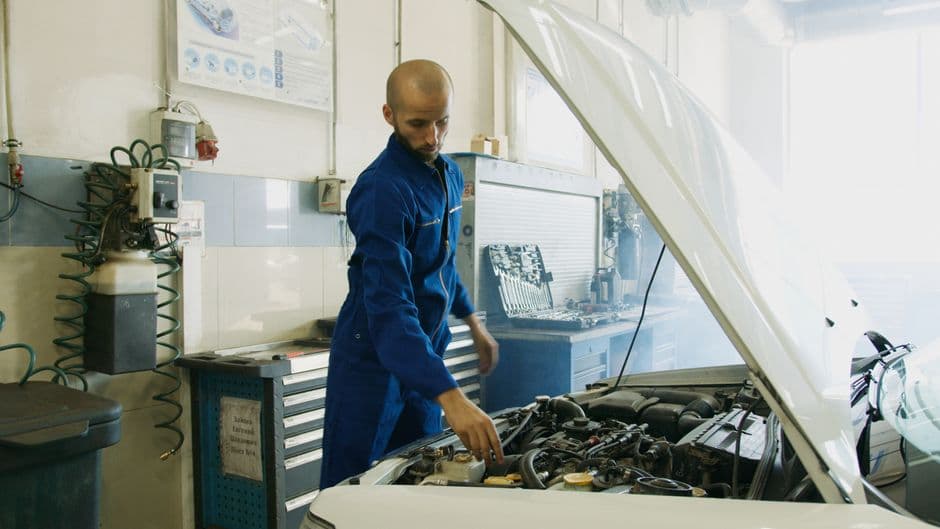
Skipped oil changes: from cheap fluid to engine wear
An oil change is one of the cheapest services on the whole schedule, which is exactly why skipping it is such a bad trade. Old oil breaks down, loses its ability to carry heat and protect metal surfaces, and lets sludge build up in places it shouldn't. What happens if you skip an oil change long enough is friction damage to bearings, the timing chain, and eventually the cylinder walls themselves, none of which get fixed for the price of a filter and five quarts of synthetic.
Once wear reaches that point you're not looking at another oil change, you're looking at a bottom-end rebuild or a replacement engine, a jump from a couple hundred dollars to several thousand. It's the clearest example on this whole list of maintenance vs repair cost: the maintenance was optional in the moment, the repair never is.
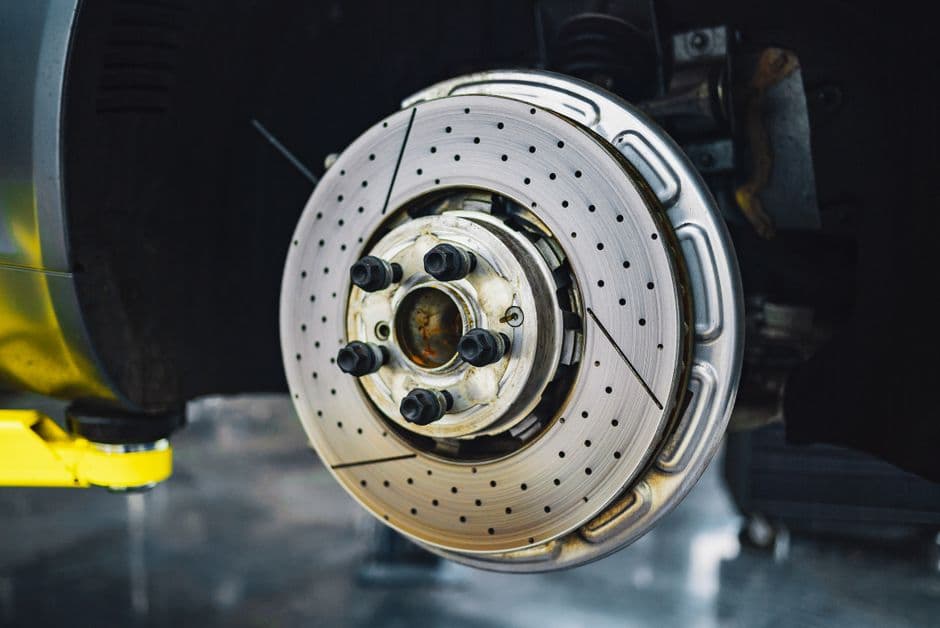
Skipped brake service: pads become rotors, rotors become calipers
Brake pads are built to wear down and get replaced, and that squeal you hear is the car telling you it's time. Ignore it and the pad wears past its friction material entirely, so the metal backing plate starts grinding directly into the rotor. What was a pad-only job now needs new rotors too, and if you keep driving on it, the caliper can overheat or seize next.
I let a squeal go two months longer than I should have once, telling myself I'd get to it. By the time I did, the quote had gone from a pad job to pads, rotors, and a caliper. That's the whole lesson in one bad decision.
That's a straight line from a $60 to $150 pad job to a $300 to $600 pad-and-rotor job, sometimes more with a caliper added in. It's also a safety issue, not just a cost one, and the NHTSA is blunt about the fact that worn braking and tire components extend stopping distance when you need it most. For the full interval breakdown, see how often brake service is actually due.
Skipped coolant flushes: from a top-off to a head gasket
Coolant does more than stop overheating, it also carries corrosion inhibitors that protect the water pump, radiator, and the aluminum inside the engine. Once those additives break down, usually well past the recommended interval, the coolant turns mildly acidic and starts eating at seals and metal from the inside. A slow leak most drivers just top off for months is often that process already underway.
Left long enough, that same neglect shows up as a failed water pump, a cracked radiator, or in the worst case, an engine that overheated once too often and blew a head gasket. A coolant flush runs somewhere in the $100 to $150 range. A head gasket job can run well into four figures once labor to pull the engine apart is included. If your car's cooling system has been running on “just add water,” a proper cooling system service is one of the cheapest insurance policies your engine gets.
Skipped tire rotations: uneven wear that ends the set early
Front and rear tires wear at different rates because they do different jobs: the front set handles most of the steering and braking load on a front-wheel-drive car, so it wears faster. A rotation every 5,000 to 7,500 miles evens that load out across all four tires, stretching the life of the whole set. Skip it and the front pair can bald out while the rear still has half its tread left, which means replacing four tires instead of getting even wear out of one set.
A rotation costs $20 to $60 at most shops, often free with an oil change. Replacing a full set of tires years early because half of them wore out unevenly can run $600 to $1,200 depending on the vehicle. It's one of the easiest deferred maintenance costs to avoid entirely, and pairing rotations with your brake and fluid checks keeps it from ever slipping through the cracks.
Neglected records: what delayed maintenance risks do to resale value
Every risk above assumes you eventually catch the problem before it wrecks something expensive. But there's a quieter cost that hits every deferred-maintenance car, even the ones that never break down: a thin or missing service history. A buyer, a dealer doing a trade-in appraisal, or a private-sale shopper reading a listing all treat gaps in the record the same way, as a reason to assume the worst and offer less.
A documented history of on-time oil changes, brake service, and fluid flushes does the opposite: it proves the mechanical risk you're buying is low, and buyers pay for that certainty. We go deeper on the numbers in why maintenance records increase resale value, but the short version is that the paperwork is worth real money, and deferred maintenance tends to travel with sparse paperwork.
How to stop paying the deferred-maintenance tax
None of this requires obsessive upkeep, just not letting the small stuff slide long enough to become the big stuff. The pattern above repeats across almost every system on the car: a cheap, scheduled part protects an expensive, unscheduled one, and the whole cost of neglecting car maintenance comes from ignoring that relationship.
The part most owners actually fail at isn't the wrench work, it's remembering what's due and proving it happened. That's what Wheelscribe is built for: log each service as you do it, and the app tracks intervals so nothing quietly slips past its due date. The free plan covers one car with unlimited entries, and when it's time to sell, exporting a clean service history hands a buyer exactly the proof that protects your resale value. Compared to a spreadsheet you have to remember to update, a system that reminds you is the difference between deferred maintenance and none at all.
Frequently asked questions
What is deferred maintenance on a car?
Deferred maintenance is any scheduled service, like an oil change, brake inspection, or coolant flush, that you push past its due date. The car usually keeps running fine at first, which is exactly what makes it easy to keep pushing, right up until the delay damages the more expensive part the service was protecting.
What happens if you skip an oil change for too long?
Old oil loses its ability to lubricate and cool moving parts, which speeds up wear on bearings, the timing chain, and cylinder walls. Go long enough without a change and you risk sludge buildup or outright engine damage, turning a routine service into a repair that can cost thousands instead of a couple hundred dollars.
How much more does it cost to skip brake service?
A pad-only job typically runs $60 to $150. Wait until the pads wear through and damage the rotors, and the same job becomes $300 to $600 or more, sometimes with a caliper added on top. It also increases stopping distance in the meantime, which makes this one of the riskiest maintenance items to defer.
Does deferred maintenance really lower a car's resale value?
Yes. Buyers and dealer appraisers both treat a thin service history as a red flag and price in the uncertainty, even if the car is currently running fine. A complete, dated maintenance record does the opposite, it lets a buyer verify low mechanical risk instead of guessing at it.
How long can you safely delay routine maintenance?
It depends on the service. Some items, like a slightly late oil change, have a little cushion. Others, like a brake pad wear indicator squealing or a coolant leak, have almost none. The safest approach is treating the manufacturer's interval as the deadline, not a suggestion, since the margin for error shrinks the older and higher-mileage the car gets.
Is it cheaper to just pay for repairs as they come up instead of routine maintenance?
Almost never. Routine maintenance replaces cheap, wear-designed parts on a schedule. Skipping it doesn't remove the cost, it defers it and usually multiplies it, since the failure tends to damage a more expensive component along the way. The maintenance vs repair cost gap only grows the longer a service gets pushed back.
Frequently asked questions
What is deferred maintenance on a car?
Deferred maintenance is any scheduled service, like an oil change, brake inspection, or coolant flush, that you push past its due date. The car usually keeps running fine at first, which is exactly what makes it easy to keep pushing, right up until the delay damages the more expensive part the service was protecting.
What happens if you skip an oil change for too long?
Old oil loses its ability to lubricate and cool moving parts, which speeds up wear on bearings, the timing chain, and cylinder walls. Go long enough without a change and you risk sludge buildup or outright engine damage, turning a routine service into a repair that can cost thousands instead of a couple hundred dollars.
How much more does it cost to skip brake service?
A pad-only job typically runs $60 to $150. Wait until the pads wear through and damage the rotors, and the same job becomes $300 to $600 or more, sometimes with a caliper added on top. It also increases stopping distance in the meantime, which makes this one of the riskiest maintenance items to defer.
Does deferred maintenance really lower a car's resale value?
Yes. Buyers and dealer appraisers both treat a thin service history as a red flag and price in the uncertainty, even if the car is currently running fine. A complete, dated maintenance record does the opposite, it lets a buyer verify low mechanical risk instead of guessing at it.
How long can you safely delay routine maintenance?
It depends on the service. Some items, like a slightly late oil change, have a little cushion. Others, like a brake pad wear indicator squealing or a coolant leak, have almost none. The safest approach is treating the manufacturer's interval as the deadline, not a suggestion, since the margin for error shrinks the older and higher-mileage the car gets.
Is it cheaper to just pay for repairs as they come up instead of routine maintenance?
Almost never. Routine maintenance replaces cheap, wear-designed parts on a schedule. Skipping it doesn't remove the cost, it defers it and usually multiplies it, since the failure tends to damage a more expensive component along the way. The maintenance vs repair cost gap only grows the longer a service gets pushed back.
Start logging your car's history
One car, unlimited entries, free forever. See pricing for what Pro adds.
Create free account