
Winter Car Maintenance Checklist
Winter car maintenance comes down to the battery, tires, and fluids. A cold weather checklist that takes an afternoon and keeps you off the shoulder in January.
What winter car maintenance is actually protecting against
Winter car maintenance is three systems and a bit of housekeeping: the battery, the tires, and the fluids, plus visibility and rust. Cold does not invent new problems. It finds the ones already there and makes them urgent, which is why a battery that was merely tired in October becomes a tow truck in January.
Do this in late autumn, before the first hard freeze, when the shop is not booked solid and you are not doing it in a parking lot with numb fingers. An afternoon covers everything below. Our seasonal maintenance guide covers the other end of the year, when the job is undoing what winter did.
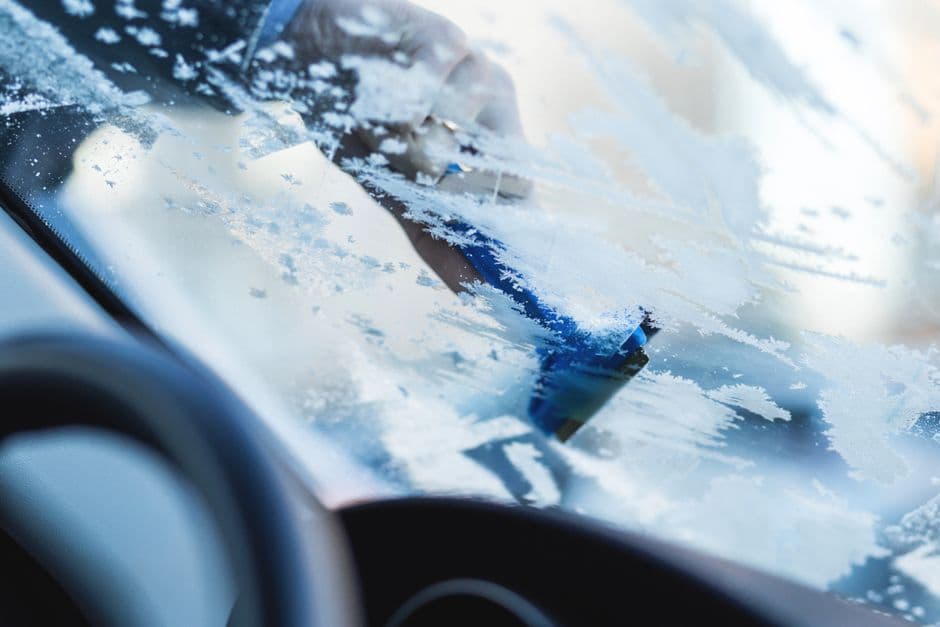
The battery does the hardest work
Cold is a double squeeze on a battery. Chemical output falls as the temperature drops, while thickened oil makes the engine harder to turn over, so the battery delivers less at exactly the moment more is needed. Near zero degrees Fahrenheit a battery can be down to roughly half the cranking power it had on a warm day.
Get it load tested before winter rather than after. Most parts stores do it free in about five minutes, and the test tells you something a voltage reading cannot: how it behaves under load. Clean any white or blue crust off the terminals, since corrosion adds resistance right where you cannot afford it. Our battery maintenance guide covers testing properly, and it is worth reading how to jump-start a car before you need to do it in a snowbank.
Tires: pressure, tread, and whether to swap
Tire pressure falls roughly one psi for every ten degree Fahrenheit drop in temperature, so a set that was correct in September is measurably soft by December. Check them cold, before driving, and set them to the number on the driver's door jamb sticker rather than the maximum stamped on the sidewall.
The winter tire question comes down to temperature more than snow. Winter compounds stay pliable below about 45 degrees Fahrenheit while all-season rubber stiffens and loses grip, which is why winter tires help on a cold dry road too. If you are staying on all-seasons, tread depth becomes the whole argument: below about 4/32 of an inch there is not enough left to clear slush.
Fluids that care what month it is
Coolant is the one with a number attached. A proper 50/50 mix protects to roughly 34 degrees below zero Fahrenheit, and a cheap tester tells you in seconds whether yours still does. Topping up with plain water over the summer is the usual reason it no longer does, and a frozen block is not a repair, it is a new engine.
Swap summer washer fluid for something rated well below freezing, because the summer stuff turns to slush in the reservoir and can crack it. If your manual gives a colder weather viscosity, such as 0W-20 in place of 5W-20, use it: thinner oil reaches the top of the engine faster on a freezing start. Cold weather also costs you fuel economy, as the Department of Energy's cold weather data shows, so a sudden drop in miles per gallon in January is usually physics rather than a fault.
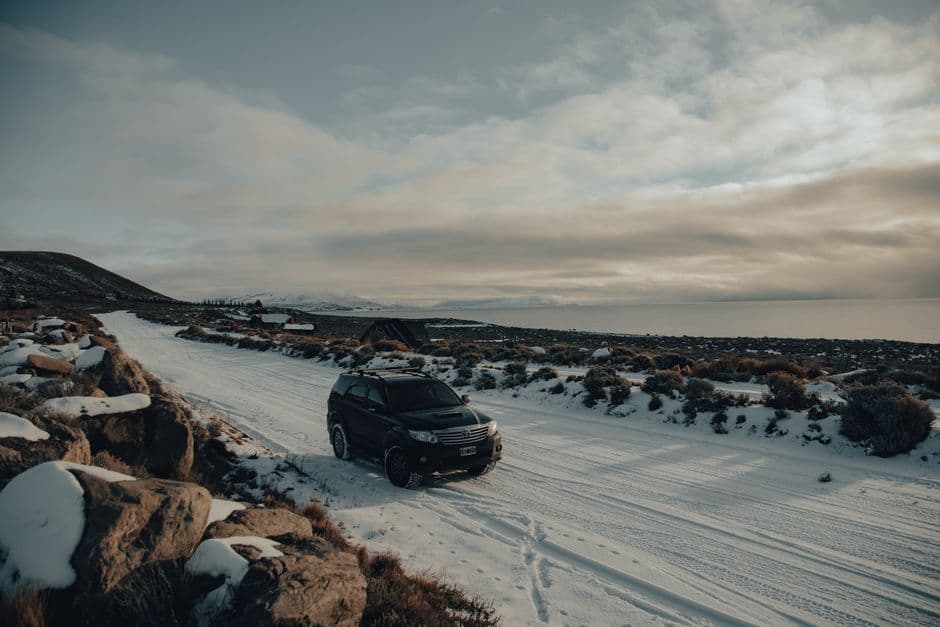
Visibility beats almost everything
Wipers are the cheapest safety upgrade on any car and the one most people stretch two seasons too far. Blades that smeared in November will chatter uselessly over frozen grit in February. Replace them, and lift them off the glass when snow is forecast so they do not freeze to it and tear when you switch them on.
Check every exterior light while you are there, since winter means driving home in the dark by mid afternoon. Clear snow off the entire car before moving, not just a porthole in the windscreen: a roof load slides forward onto the glass at the first hard stop. NHTSA's winter driving guidance is a good pre-season read on the rest.
Road salt is the slow damage
Salt does not care that the car looks clean. It sits in the wheel wells, along the rockers, and on the brake and fuel lines, where it quietly turns into the rust that eventually fails an inspection. Washing through the winter feels pointless and is not, provided the wash actually reaches the underside.
Rinse the undercarriage after any salty week, and pick a day above freezing so the doors and locks do not seize afterwards. Our guide to washing a car properly covers technique, and a coat of wax or sealant before the first snow gives the paint something to hide behind for a few months.
What lives in the car until spring
A scraper and snow brush, jumper cables or a lithium jump pack, a blanket, gloves, a flashlight, and a bag of sand or cat litter for traction. None of it is exciting and all of it is the difference between an inconvenience and a genuinely bad night on a rural shoulder.
Keep the fuel tank above half through the cold months. It gives you a longer buffer if traffic stops dead, and it leaves less room in the tank for condensation. Charge the jump pack in November, because a dead jump pack in the trunk is just an expensive brick with good intentions.
Log it once and next winter takes twenty minutes
Write down what you did and what you found: battery test result and date, tire pressures and tread depths, coolant protection level, which wipers you bought. Next October the list stops being a research project and becomes a quick comparison against last year's numbers.
That record is also what tells you a battery is on its third winter rather than its first, which is the difference between replacing it on your schedule and replacing it on the roadside. Wheelscribe keeps the whole seasonal history per car with receipts and photos attached, so the winter prep sheet writes itself.
Frequently asked questions
What should be on a winter car maintenance checklist?
Load test the battery, check tire pressure and tread or fit winter tires, verify coolant protection and switch to freeze-rated washer fluid, replace wipers, check all lights, and put a scraper, jumper cables, and a blanket in the car.
Do I really need winter tires?
It depends on temperature more than snowfall. Winter compounds stay flexible below about 45 degrees Fahrenheit while all-season rubber hardens, so they help on cold dry roads too. If you stay on all-seasons, make sure tread depth is well above 4/32 of an inch.
Why does my car battery die in cold weather?
Cold reduces the chemical output of the battery while thicker oil makes the engine harder to crank. Near zero degrees Fahrenheit a battery may have around half its usual cranking power. A load test before winter finds a weak battery while it is still convenient.
How much does tire pressure drop in cold weather?
Roughly one psi for every ten degree Fahrenheit drop in temperature. A set inflated correctly in early autumn will read noticeably low by mid winter, so check them cold and reset to the pressure on the driver's door jamb sticker.
Should I wash my car in the winter?
Yes, especially the undercarriage, since road salt sits in the wheel wells and along the brake and fuel lines and drives rust. Wash on a day above freezing so doors and locks do not freeze afterwards.
Does cold weather reduce fuel economy?
It does. Engines take longer to reach efficient operating temperature, oil is thicker, and short winter trips never let the car warm up. A drop in miles per gallon during January is usually the season rather than a mechanical fault.
Start logging your car's history
One car, unlimited entries, free forever. See pricing for what Pro adds.
Create free account